The Day of Revelation — Spielberg and the Cardboard Alien Apocalypse

🧪 Regulador de Veneno
Modifica la intensidad y el sarcasmo de la reseña.
⭐ ¿Tú qué opinas?
Vota y contrasta tu nota con la del crítico.
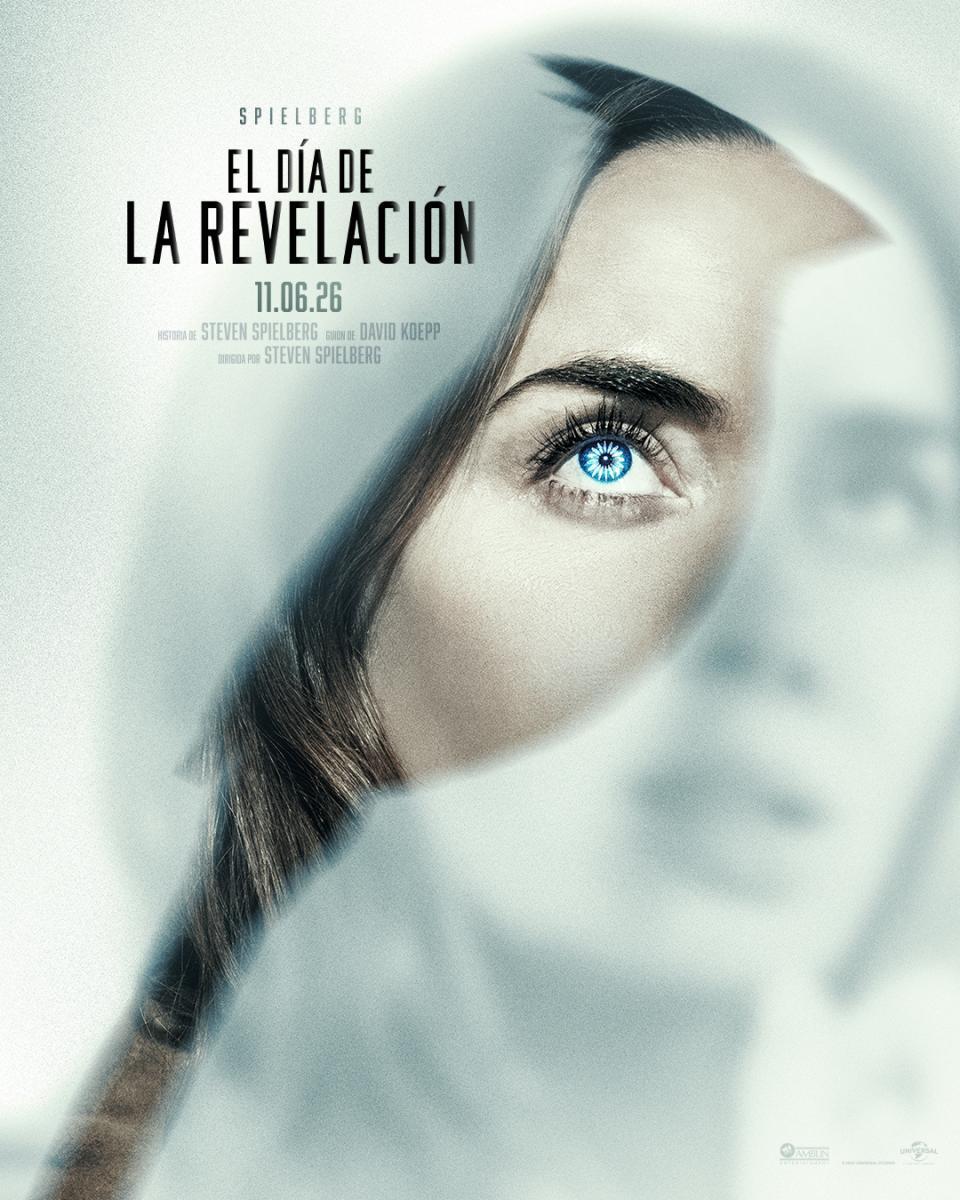
The celluloid creaks under the weight of expectation like an old projector on the verge of bursting. Steven Spielberg, that titan of the industry who once gifted us with nightmares of giant sharks and dreams of children with flying bicycles, returns with The Day of Revelation, a title that sounds more like a televangelist's sermon than a science fiction movie. Has the master forgotten that his best cinema always emerged from darkness, from primal fear, from humanity in its most vulnerable state? Because what we have here smells like a studio product, a corporate brochure disguised as a blockbuster, where even the aliens seem designed by a focus group committee obsessed with not offending anyone. Universal Pictures and Amblin Entertainment haven't financed a movie, but a corporate pamphlet masquerading as a blockbuster, where even the aliens appear to have been designed by a committee of focus group obsessed with not offending anyone. Welcome to the day when the truth is revealed: Spielberg has lost his way, and what's left is a spectacle as empty as the eyes of a Star Wars stormtrooper.
This isn't the first time the director has flirted with mediocrity in the twilight of his career. Remember Ready Player One, that corporate nostalgia festival where Spielberg sold his soul to fan service culture like a desperate youtuber seeking likes. But The Day of Revelation goes a step further: here, there isn't even the excuse of nostalgia. There's only a script by David Koepp, that mercenary of words who has written everything from Jurassic Park to The Mummy (yes, that abomination with Brendan Fraser), and who seems to have confused depth with clichéd phrases from a self-help manual. 'If you discovered that we're not alone, would you be afraid?' the official synopsis asks. Spoiler: no, because Koepp and Spielberg's aliens have less charisma than a social media influencer selling collagen on Instagram. The revelation isn't that extraterrestrials exist, but that Hollywood has turned even the end of the world into a brandable product.
The problem isn't that Spielberg has aged — cinema needs wise voices — but that he seems to have forgotten what made him great. In Close Encounters of the Third Kind, UFOs were mysterious, almost mystical, like pagan gods descending upon a small and terrified humanity. In E.T., the extraterrestrial was a lost child, a metaphor for innocence in a cruel world. But in The Day of Revelation, the aliens are so generic they could be the logo of a cryptocurrency company. There's no terror, no awe, no humanity. Only Janusz Kamiński, Spielberg's longtime cinematographer, lighting each shot as if he were filming a luxury car commercial. The lighting is perfect, the framing is impeccable, but everything smells like product. Where is the Spielberg who filmed Schindler's List with a shaky camera, as if the horror was too big to be contained in a single frame? Here, there's only steadycam and green screen, as if cinema had become a video game for bored executives.
And then there's the cast, that ensemble of elite actors condemned to recite dialogues that sound like they were written in a brainstorming meeting with a buzzword algorithm. Emily Blunt, an actress capable of conveying more with silence than most with a monologue, here seems like a TED Talk presenter trying to convince us that extraterrestrials are 'an opportunity for us to grow as a species'. Josh O’Connor, that British actor with a face that looks like he's read too many philosophy books at Oxford, plays a scientist who discovers the truth as if he were ordering a latte at Starbucks. And Colin Firth, that monument to British elegance, plays the President of the United States with the same conviction with which a Zara mannequin would wear an Armani suit. Only Wyatt Russell, with his 'this is crap, but I get paid' look, seems to understand that he's in a Spielberg movie, not in a life insurance commercial. His character, a cynical and disillusioned military man, is the only thing that saves this shipwreck from looking like a NASA infomercial.
The Direction: Spielberg on Autopilot
Steven Spielberg directs The Day of Revelation as if he were fulfilling a bureaucratic task. There's no risk, no innovation, no spark of genius that once made films like Jaws or Indiana Jones feel like generational events. Here, the director limits himself to following the modern blockbuster manual: wide shots to show off the special effects, dramatic close-ups so the audience feels something (anything), and a pace that oscillates between tedious and frenetic, as if someone had mixed scenes from 2001: A Space Odyssey with a Transformers trailer. The problem isn't that Spielberg has lost his touch, but that he seems to have sold it to the highest bidder. Each sequence is calculated to maximize social media impact — 'Look at this UFO shot, it's instagrameable!' — but none are designed to move, scare, or surprise. It's fast food cinema: it tastes good in the moment, but leaves you with a feeling of existential emptiness.
The editing, handled by Michael Kahn (Spielberg's frequent collaborator), is as predictable as you could guess each cut before it happens. The action scenes are a festival of shaky cam and jump cuts, as if the editor had confused chaos with emotion. The dialogues, for their part, are so flat they seem written by a chatbot trained with 90s movie scripts. 'Humanity must unite,' a character says at one point. No, it's not a Star Wars meme, it's the script of The Day of Revelation in all its glory. And then there's John Williams' music, that genius who once composed unforgettable scores like E.T. or Indiana Jones. Here, his work sounds like a elevator music version of his own masterpieces. It's as if Williams had composed the soundtrack with one hand tied behind his back and the other holding a Universal paycheck.
The Actors: A Wasted Ensemble in a Telefilm Script
If there's something worse than a bad script, it's a bad script acted out by first-rate actors. Emily Blunt, one of the best actresses of her generation, seems to be in another movie, one where characters have depth and dialogues don't sound like slogans from a political campaign. Here, her character — a scientist who discovers the truth about the extraterrestrials — goes from incredulity to mystical ecstasy in a matter of seconds, as if someone had injected her with ayahuasca during filming. Josh O’Connor, that British actor with a magnetic presence, plays a journalist who follows the story as if he were covering a multilevel marketing conference. And Colin Firth, that monument to male elegance, plays the President of the United States with the same conviction with which a mannequin from El Corte Inglés would wear a Hugo Boss suit. Only Wyatt Russell, with his 'this is crap, but I get paid' look, seems to understand the tone of the movie. His character, a cynical and disillusioned military man, is the only thing that saves The Day of Revelation from looking like a NASA infomercial.
But the real crime here isn't the waste of talent, but the lack of chemistry between the actors. In a movie that should be an apocalyptic thriller, the characters interact like they're coworkers in a corporate team building exercise. There's no tension, no conflict, no spark that makes the audience care about them. Instead, there are forced smiles, expository dialogues, and a constant feeling that everyone is reading their lines from a teleprompter. Eve Hewson, who plays Blunt's character's daughter, has moments where she seems to be in another movie, one where characters have real emotions and aren't just pawns in a script written by a committee. But even she can't save this shipwreck.
The Technical Aspect: Carnival Special Effects and Commercial Photography
If there's something Spielberg has always mastered, it's the setup. From the long takes in Saving Private Ryan to the expressionist lighting in Schindler's List, the director has proven time and again that cinema is, above all, a visual art. But in The Day of Revelation, Janusz Kamiński's photography seems designed for a luxury car commercial. Each shot is lit with surgical precision, as if the goal were to sell the product and not tell a story. The UFOs, on the other hand, look like they were taken from a 90s theme park: they're so generic they could be the logo of a telecommunications company. There's no mystery, no terror, no sense of the unknown that made films like Close Encounters of the Third Kind so fascinating. Here, the extraterrestrials are so brandable they could have an Apple slogan and be sold as the next fashion gadget.
The production design, handled by Rick Carter (another frequent Spielberg collaborator), is another of the movie's weak points. The sets look like they were taken from an IKEA catalog: they're functional, beautiful, and completely lacking in personality. The alien ship, for example, looks like it was designed by a Silicon Valley architect: it's cold, sterile, and so generic it could be confused with the Google headquarters. There's no sense of the other, of the unknown, that made films like Alien or 2001 so memorable. Instead, there's green screen and CGI that looks like plastic, as if the special effects team had confused realism with boredom.
The sound, on the other hand, is another of the movie's most disappointing aspects. Instead of creating an immersive atmosphere, like in Jaws or E.T., the sound team seems more interested in deafening the audience with explosions and bass effects than in telling a story. The action scenes sound like a 90s video game, with impact sounds that seem taken from a stock effects library. And John Williams' music, that genius who once composed unforgettable scores, here sounds like a elevator music version of his own masterpieces. It's as if Williams had composed the soundtrack with one hand tied behind his back and the other holding a Universal paycheck.
The Best
- Wyatt Russell's performance: The only one who seems to understand that he's in a Spielberg movie, not in a life insurance commercial. His 'this is crap, but I get paid' look is the most authentic thing in the footage.
- Janusz Kamiński's cinematography: Although it's at the service of a mediocre script, Kamiński once again proves why he's one of the best cinematographers in modern cinema. Some shots are so beautiful they hurt.
- The opening sequence: A promising prologue that, for a moment, makes you think Spielberg still has something to say. Too bad the rest of the movie doesn't live up to it.
The Worst
David Koepp's script: A festival of clichés, self-help manual dialogues, and characters that seem taken from a corporate coaching brochure. The revelation isn't that extraterrestrials exist, but that Hollywood has turned even the end of the world into a brandable* product.
Spielberg's direction: It looks like it was filmed on autopilot*, as if the director were fulfilling a bureaucratic task. There's no risk, no innovation, no spark of genius that once made Spielberg great.
The special effects: The UFOs look like they were taken from a 90s theme park. They're so generic they could be the logo* of a telecommunications company.
John Williams' music: It sounds like a elevator music* version of his own masterpieces. It's as if Williams had composed the soundtrack with one hand tied behind his back and the other holding a Universal paycheck.
The lack of chemistry between the actors: In a movie that should be an apocalyptic thriller, the characters interact like they're coworkers in a corporate team building exercise. There's no tension, no conflict, just forced smiles and expository* dialogues.
The pace: It oscillates between tedious and frenetic, as if someone had mixed scenes from 2001: A Space Odyssey with a Transformers* trailer.
The Verdict of Claqueta Ácida
The Day of Revelation isn't a movie, it's a symptom. A symptom that even great directors can fall into the trap of the corporate blockbuster, where the product matters more than the story and special effects are worth more than characters. Spielberg, that titan who once made us believe in giant sharks, children with flying bicycles, and archaeologists with whips, here sells us an alien invasion so generic it could be a Silicon Valley startup commercial. The truth hurts, but not as much as seeing a cinema master turned into a merchandising salesman. If this is the future of cinema, someone should reveal how to go back to the past. 💀
🎬 Tráiler Oficial
📢 ¿Te ha gustado el ácido?
Comparte esta crítica con tus amigos cinéfilos o desata la polémica en redes.