The Idol — A Parade of Scandal and Excess
🧪 Regulador de Veneno
Modifica la intensidad y el sarcasmo de la reseña.
⭐ ¿Tú qué opinas?
Vota y contrasta tu nota con la del crítico.
Our team of critics, armed with black coffee and irony sharper than the razor of an 18th-century barber, survived the chaos like a bat in the dark: without blinking, listening to the screams of the interns, and gathering the remains of a production that was sold to the highest bidder under the promise of "reinventing the narrative of women". The premise — a young actress who dives into the culture of the idol to climb the podium of success — sounds as original as a remake of 'The Ideal Boy', but what really arrived was a pressure cooker of inflated egos, empty scripts, and egregious abuses in the rehearsal room.
An Alucinante Journey to Absolute Boredom
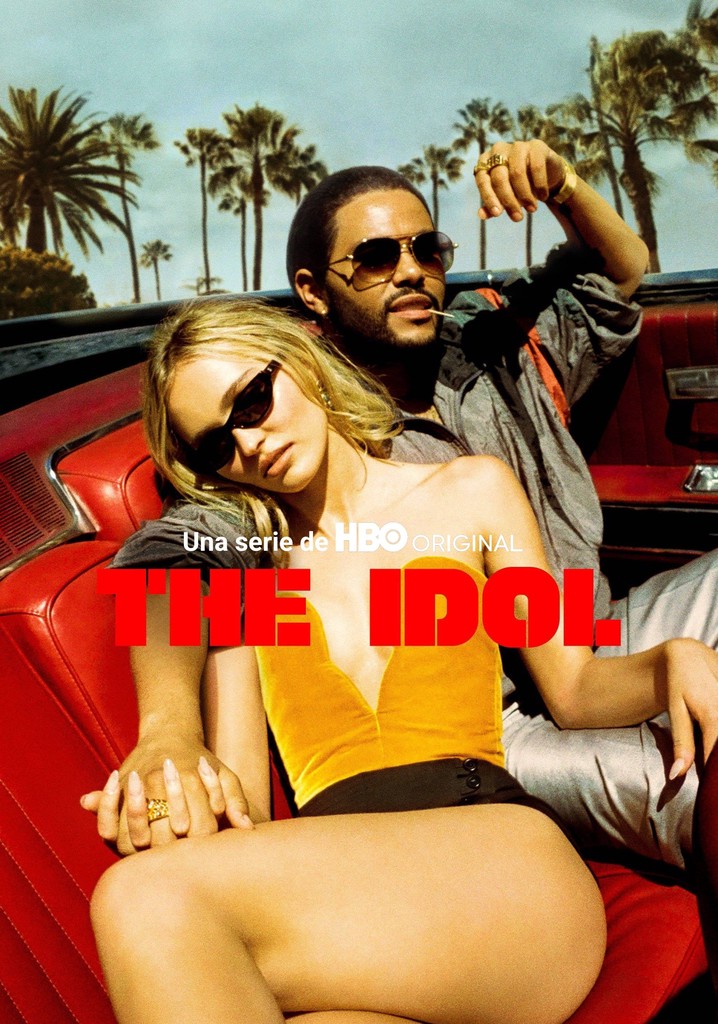
At its core, The Idol attempts to tell the story of Jisoo (played by Lily-Rose) trapped in the oppressive world of music idols. What should have been a biting chronicle of the exploitation of young artists turns into a series of hollow conversations that seem to have been taken from a low-budget screenwriting workshop. Each episode is plagued by dialogues that sound like they were generated by an AI algorithm producing "self-empowerment" phrases without a human filter. The characters do more talk-show than actual acting, and the plot advances with the grace of a turtle with a hangover.
The narrative twists are so predictable that even the most indulgent audience should have brought their own book on "How to Detect Clichés". The only surprise lies in the way the series attempts to glorify the moral decay of the male protagonist, played by The Weeknd, whose face is as recognizable as a bright cereal ad. The Idol's attempt to critique machismo resulted in an inadvertent celebration of machismo itself, a kind of broken mirror reflecting the same structural violence it intended to denounce.
At its core, the series also serves as a lesson on how not to handle representation issues. The protagonist is a privileged white girl with a famous actress's surname, while the real talents of pop culture who could have brought authenticity are relegated to mere extras. The lack of diversity is not just a casting mistake; it's a sign that the project was built on the pillars of exploitation and exclusion.
B-Movie Aesthetics and Pepsi-Cola
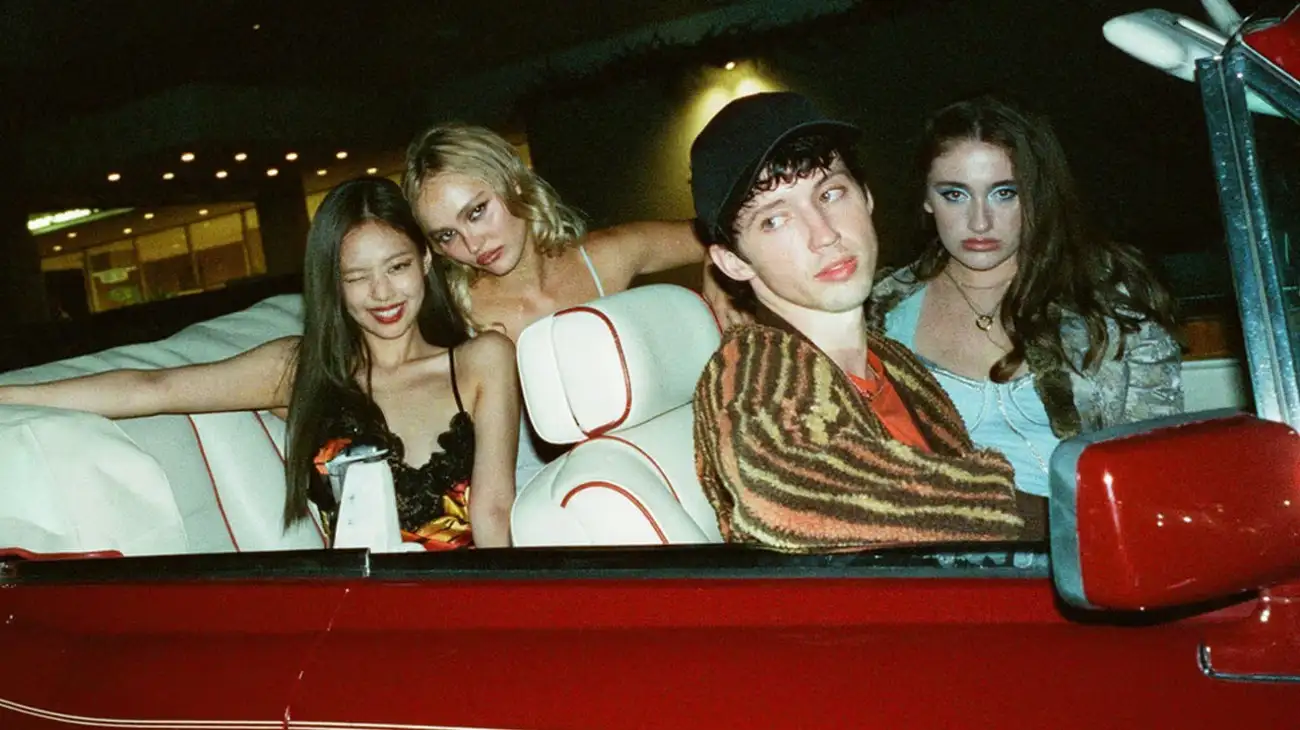
Visually, The Idol resembles a B-movie production sponsored by a soft drink brand with a budget that barely covers the neon lights blinking in every corner of the set. Katell Djian's cinematography attempts to "capture the nocturnal atmosphere of the music industry", but ends up in a parade of Instagram filters that turn any scene into a flat-lay of fashion. The color palette — electric blues, screaming pinks, and midnight blacks — is so saturated that it resembles an energy drink ad, more suitable for selling to teenagers than to film critics.
The CGI effects are, at best, almost acceptable: the concert holograms appear as cheap After Effects renderings, and the supposed "magic of the stage" is reduced to strobe lights and cheap smoke. The result is a visual experience that reminds one of TikTok music videos, where form far surpasses the narrative background. Each frame is so loaded with marketing that you could think the series is, in reality, a covert branding campaign for the record label that finances The Weeknd.
As for advertising, Amazon has launched a barrage of teasers promising "an unfiltered look at the entertainment industry". The irony is that the platform itself has been accused of censorship and suppressing critical voices within its own studios, making the series a testimony to corporate hypocrisy. The merchandising campaign includes reusable cups, sweatshirts with the slogan "I'm an Idol", and, of course, a line of imaginary perfume called "Euphoria". All an attempt to turn scandal into commercial gold.
The Best
- Lily-Rose Depp's Performance: Although the script leaves her with little to do, her ability to convey a mix of vulnerability and determination makes her the only human flame in the midst of the neon fog.
- Production Design: The nightclub sets and the corridors of the record label building are imbued with a cyber-punk aesthetic that, despite its limitations, manages to create a convincing atmosphere of "a city that never sleeps".
- Soundtracks: The musical curation, led by The Weeknd and collaborators, brings moments of authentic pop energy that could save any viewer from the tedious plot.
The Worst
- Script and Dialogues: Each line seems to have been written by an AI that only knows Instagram jargon; the narrative crumbles into clichés and self-help phrases without substance.
- Abuses on Set: The allegations of harassment and abusive working conditions make the series a reminder of the toxic culture that feeds the entertainment industry.
- Visual Effects: The low-budget CGI makes any attempt at immersion as real as a plastic mobile phone case.
The Verdict of Claqueta Ácida
In conclusion, The Idol is a massacre of artistic ambition wrapped in a brilliant marketing package that pretends to sell us a "revolutionary" vision of pop culture, while secretly perpetuating the same abuses it denounces. The series collapses under the weight of its own contradictions: it pretends to be a biting critique, but delivers as a pathetic perfume ad. The only lesson we extract is that when big platforms decide to turn scandal into content, the result is inevitably a high-end soap opera without soul or real talent. The real tragedy is not that the series is a disaster, but that the audience continues to applaud the puppeteers while the curtain never rises. 💀📢 ¿Te ha gustado el ácido?
Comparte esta crítica con tus amigos cinéfilos o desata la polémica en redes.