Longlegs — Osgood Perkins’ Failed Exorcism and the Satanic FBI No One Asked For
Nicolas Cage wallows in fake blood and bargain-bin symbolism while the FBI chases a serial killer who reeks of abandoned-church air freshener. Claqueta Ácida dissects Perkins’ ritual of cinematic self-flagellation.

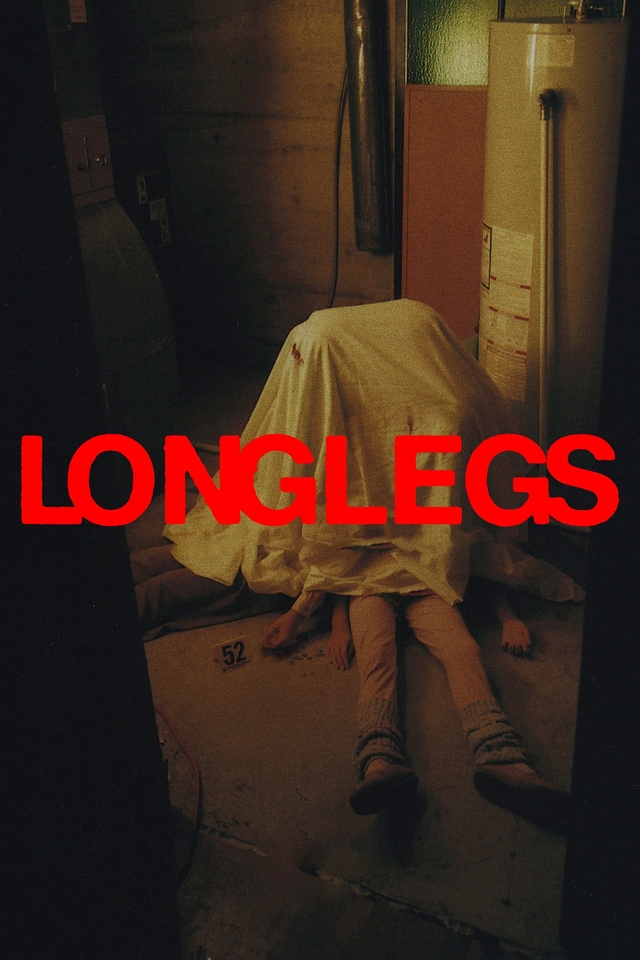
Psychological horror with occult flourishes has been shuffling through festival hallways like an underfed ghost for years, begging for a crumb of originality between Hereditary wannabes and bargain-bin exorcisms. Osgood Perkins, son of the late Anthony Perkins (yes, Psycho—that biographical tidbit publicists will rub in your face until you beg for mercy), seems doomed to live under his father’s elongated shadow, though his filmography so far—The Blackcoat’s Daughter (2015) and I Am the Pretty Thing That Lives in the House (2016)—suggests a desperate attempt to exorcise his own family demons through endless tracking shots and dialogue that smells like discount incense. Longlegs, his latest abomination, is no exception: a blend of Silence of the Lambs and The VVitch, seasoned with the unmistakable scent of abandoned-church air freshener and a budget calculated on a toy calculator. The FBI hunting a serial killer with occult ties sounds, in theory, like a promise of well-crafted nightmares. In practice, however, what we get is a thriller that lurches forward like an arthritic zombie, tripping over its own overloaded symbolism and dialogue written during a bad acid trip.
The film arrives at a moment when indie horror has been hijacked by Netflix algorithms and A24 executives, turning the genre into a factory of elevated horror with more pretensions than substance. Osgood Perkins isn’t immune to this trend: his cinema reeks of arthouse filmmaking cobbled together from Midsommar’s leftovers, where every shot seems designed to be dissected in a Twitter thread by critics who mistake darkness for depth. Longlegs doesn’t escape this rule. The premise—a traumatized FBI agent uncovers a serial killer’s supernatural link to her family—sounds like a recycled plot from a forgotten ’90s movie, but Perkins insists on selling it as if he’s the Fincher of gothic horror. The problem? While Fincher builds his thrillers with Swiss-watch precision, Perkins seems more interested in making every scene reek of decay, as if mold were synonymous with art. The result is a film that drowns in its own atmosphere, like a swimmer determined to sink in a puddle of holy water.
And then there’s Nicolas Cage, that actor who seems to have signed a pact with the devil to never play a role normally. In Longlegs, Cage plays... well, something that could be a serial killer, a demon in human disguise, or just a guy who found a bad script and decided it was his moment to shine. His performance is, as always, a spectacle unto itself: a mix of theatrical overacting, vacant stares into the void, and monologues plucked from a self-help manual for psychopaths. Cage doesn’t act in this movie; he wallows in it like a pig in mud, chewing every line of dialogue as if it were his last meal. It’s fascinating, yes, but also deeply ridiculous. Watching him try to convey terror with that whispery voice and exaggerated gestures is like watching a clown deliver a sermon in a church: you know it should be scary, but you can’t help laughing. The rest of the cast, led by a Maika Monroe who seems to have been hired to look like “this makes no sense,” tries to keep up, but it’s like they’re all acting in different films.
The production of Longlegs reeks of creative desperation and poorly spent money. C2 Motion Picture Group and Saturn Films, those studios that specialize in financing projects no one asked for but everyone ends up watching out of morbid curiosity, have bet on a thriller that aims for Se7en but ends up resembling an extended episode of Supernatural. The script, written by Perkins himself, is riddled with plot holes designed to be ignored in the name of “atmosphere,” as if ambiance were an acceptable substitute for narrative coherence. The cinematography by Andres Arochi, which oscillates between the chiaroscuro of classic thrillers and the digital grain of found-footage films, tries to lend visual legitimacy to the mess, but it ends up looking like an Instagram filter slapped onto a low-budget movie. In short: Longlegs is the kind of film festival critics will praise for its “visual audacity” while the audience wonders when the hell something interesting will happen.
Direction: Perkins and His Obsession with the Tracking Shot No One Asked For
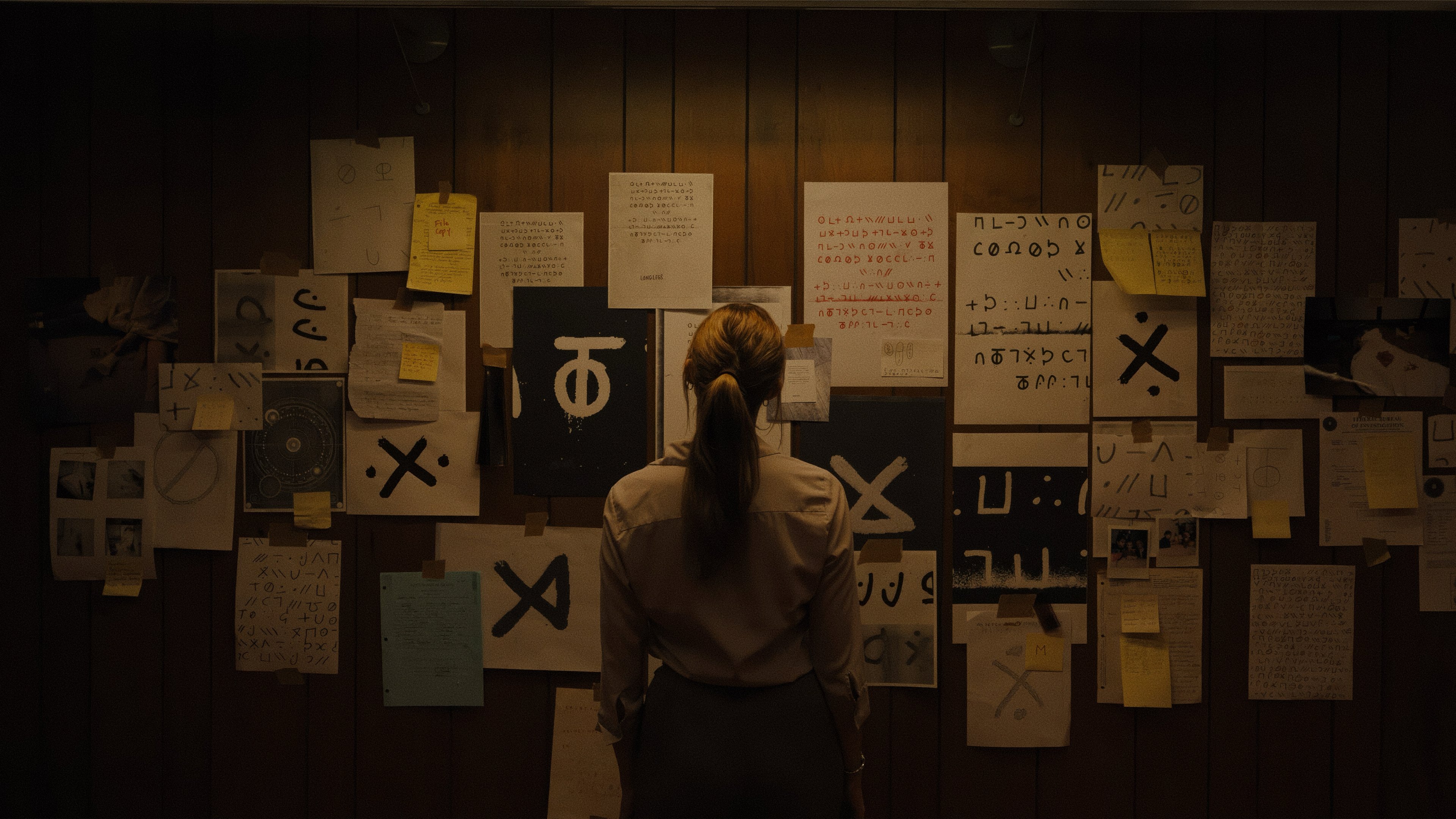
Osgood Perkins directs Longlegs as if he’s filming a fever dream he can’t wake up from. His visual style, inherited from his father but filtered through a film student who discovered David Lynch during a bad trip, rests on two pillars: endless tracking shots that add nothing and lighting designed to hide the lack of budget. Perkins has an unhealthy obsession with symmetrical framing, as if he believes a perfectly centered shot can mask the holes in a script written with his feet. The film is packed with moments where the camera lingers, watching characters as if waiting for their dull dialogue to magically transform into something profound. Spoiler: it doesn’t.
The problem isn’t that Perkins can’t direct—he has an eye for composition that many current horror directors would kill for—but that he confuses slowness with tension. Longlegs crawls along at a snail’s pace, as if every scene were designed to give the audience time to analyze every wrinkle on Nicolas Cage’s face. Perkins seems to believe that if he stretches awkward silences and close-ups of supposedly symbolic objects (a rag doll, an old Bible, a rusty knife) long enough, the audience will fall into a trance and accept they’re watching a horror masterpiece. But the trick doesn’t work: all he achieves is making the film feel like self-inflicted punishment, as if Perkins is punishing himself—and us—for daring to make a horror movie in the era of easy jump scares.
The film’s climax, an occult ritual filmed with the solemnity of a Catholic mass documentary, is the perfect example of this obsession with style over substance. Perkins shoots it as if he’s directing the final act of The Exorcist, with a choreography of camera movements that tries to convey gravity but ends up looking like a film-school exercise. Nicolas Cage, of course, steals the scene with a performance that oscillates between the sublime and the ridiculous, as if he’s playing a Scooby-Doo villain in a particularly pretentious episode. The result is a moment that should be chilling but instead leaves the audience wondering if Perkins really believed this would work or if he just gave up and let Cage do whatever he wanted.
Performances: Cage Devours the Set (and the Rest of the Cast)
If anything saves Longlegs from being a complete disaster, it’s the presence of Nicolas Cage, that actor who seems born to play villains who are half-human, half-otherworldly creatures. Cage doesn’t act in this movie: he dives headfirst into it like it’s an all-you-can-eat overacting buffet, chewing every line of dialogue with the intensity of a man who’s just discovered the meaning of life in an occult manual. His performance is so exaggerated, so deliberately ridiculous, that it ends up being the only memorable thing about the film. Cage doesn’t try to be believable; he tries to be fascinating, and in that, at least, he doesn’t fail.
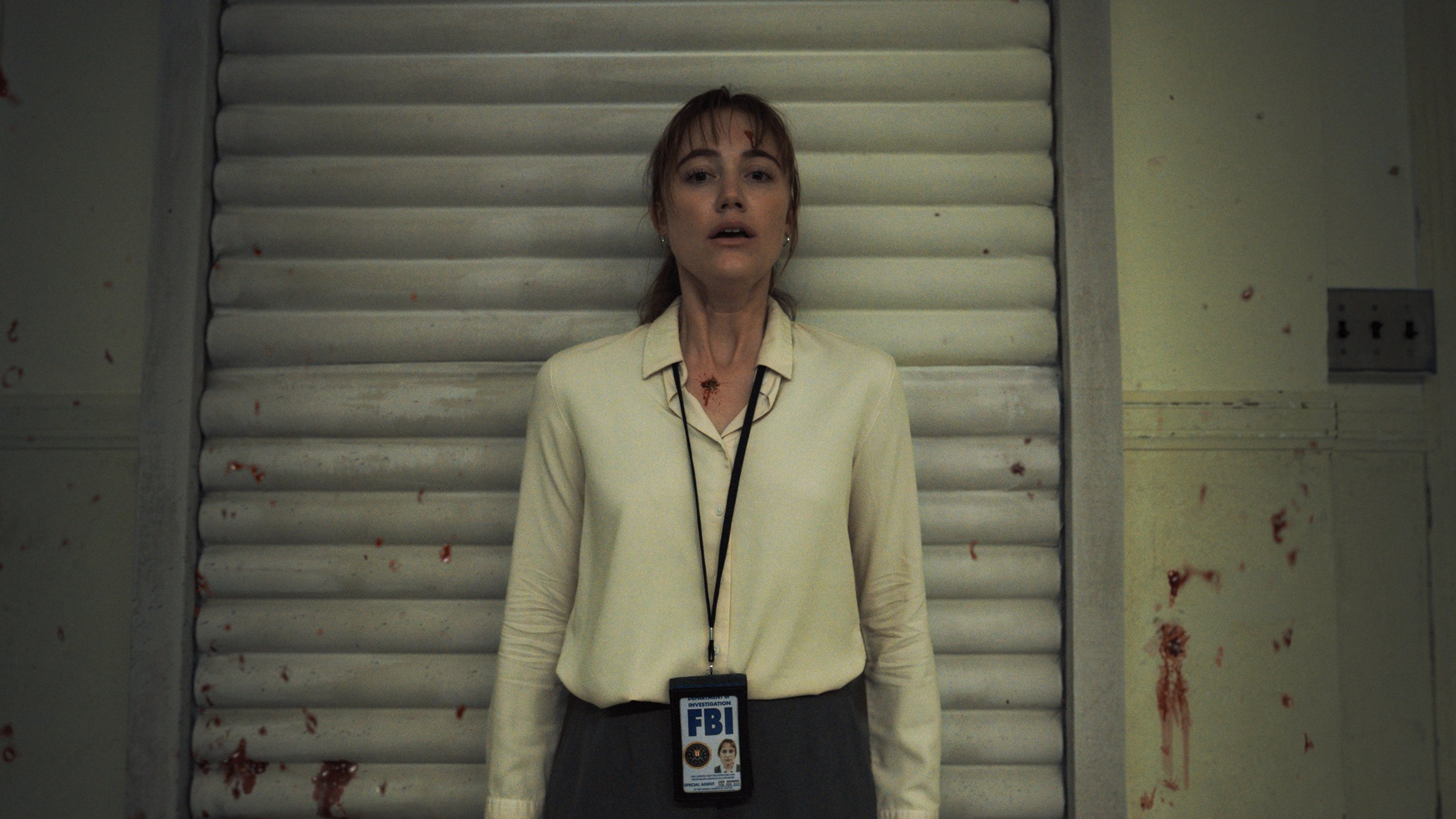
The rest of the cast, however, seems to have been picked from a casting call where no one knew what kind of movie they were signing up for. Maika Monroe, playing FBI agent Lee Harker, looks like someone who’s just found out her character has a childhood trauma no one bothered to develop. Her performance swings between indifference and confusion, as if she’s waiting for someone to explain why her character spends half the movie staring into space like she’s seen a ghost. Blair Underwood, as her FBI superior, seems more interested in his haircut than the case, and Alicia Witt—playing a mother with dark secrets—has the energy of someone counting the minutes until her shift on set ends.
The real problem isn’t that the actors are bad, but that the script gives them nothing to work with. The dialogue is so generic it could belong to any ’90s thriller, and the characters are so flat they seem plucked from a creative writing manual for beginners. Perkins seems to believe that if he repeats the words “occult,” “ritual,” and “trauma” enough times, the audience will fill in the gaps with their imagination. But imagination can’t save characters who lack motivations, dramatic arcs, or, in many cases, personality. Nicolas Cage is the exception: his villain is so exaggerated, so deliberately ridiculous, that he ends up being the only thing keeping Longlegs from sinking into the abyss of oblivion.
Technical Aspects: When the Budget Shows More Than the Creativity
The technical side of Longlegs is a fascinating study in how to make a modest budget look even smaller. The cinematography by Andres Arochi tries to emulate the style of classic thrillers, with a color palette that swings between sickly green and sepia brown, as if the film were being projected through an Instagram filter applied by someone who hates life. Arochi has a good eye for framing, but his work is weighed down by lighting designed to hide the lack of resources. Entire scenes are shot in near-darkness, as if Perkins and Arochi decided that darkness was the best way to hide the fact that they couldn’t afford convincing sets.
The production design by Diana Rice is another weak point. The sets—a abandoned house, a small-town police station, a ruined church—look like they’ve been plucked from a catalog of cheap horror-movie locations. Rice tries to give them an air of authenticity, but the result is a mix of clichés we’ve seen a thousand times: rag dolls hanging from the ceiling, dusty old Bibles, strategically placed candles. It all reeks of community-theater sets, as if the film were shot in the basement of an abandoned church by a volunteer crew. The costumes, meanwhile, are so generic they could belong to any horror movie from the last twenty years: long coats, bloodstained white shirts, and hairstyles designed to make the actors look “scary” without much effort.
The score by Elia Cmiral is another element that tries to elevate the film but ends up sinking it further. Cmiral composes a soundtrack that swings between ominous and ridiculous, as if he’s trying to emulate John Carpenter with half the talent. There are moments where the music sounds like it’s trying to scare the audience with a musical jump scare, but the effect is more comedic than terrifying. The editing by Bryan McKenzie is another giveaway of the budget constraints: transitions between scenes are so abrupt they seem designed to hide the lack of coverage, and there are moments where the film jumps from one shot to another as if someone edited the footage with scissors and a roll of tape.
The best
Nicolas Cage’s performance: A spectacle of deliberate overacting that borders on the sublime. Cage doesn’t act; he wallows in the role like a pig in mud, and the result is the only thing keeping Longlegs* from being a complete disaster.
- Andres Arochi’s cinematography: Though limited by the budget, Arochi creates an oppressive, claustrophobic atmosphere that, at its best, recalls the finest psychological horror.
- Sound design: The awkward silences and ambient sound effects generate tension that, at times, manages to overcome the script’s limitations.
- Visual symbolism: Perkins has an eye for symbolic details (rag dolls, inverted crosses, candles) that, though overloaded, add a layer of visual depth to the film.
The worst
- Osgood Perkins’ script: A narrative disaster full of plot holes, generic dialogue, and flat characters with no motivations or arcs. It reads like it was written during a bad acid trip.
- The lack of coherent horror: Perkins confuses darkness with depth, resulting in a film that tries to be terrifying but ends up boring and pretentious.
- Production design: The sets look like they’ve been plucked from a catalog of cheap horror-movie locations, and the costumes are so generic they could belong to any ’90s thriller.
The Verdict of Claqueta Ácida
Longlegs is the kind of film festival critics will praise for its “visual audacity” while the audience wonders when the hell something interesting will happen. Osgood Perkins has crafted a thriller that reeks of cheap incense and wasted money, with a script written with his feet and performances that swing between the sublime (thank you, Cage) and the forgettable (the rest of the cast). The film aims to be Silence of the Lambs with touches of The VVitch but ends up resembling an extended episode of Supernatural shot in the basement of an abandoned church. Nicolas Cage saves the ship with a performance so exaggerated it borders on genius, but not even his overacting talent can hide the fact that Longlegs confuses slowness with tension, darkness with depth, and pretension with art. In short: a cinematic ritual of self-flagellation that, fortunately, only lasts 101 minutes. But what 101 minutes they are. 💀
🎬 Tráiler Oficial
💬 El Veredicto de la Comunidad
¿Qué te ha parecido la película? Deja tu nota de 0 a 10 para contrastarla con el análisis de la redacción.
Aún no has votado
📢 ¿Te ha gustado el ácido?
Comparte esta crítica con tus amigos cinéfilos o desata la polémica en redes.
📩 📩 Get the poison in your inbox
Join our weekly mailing list. Honest film reviews, acid festival coverage, and cult recommendations every Sunday morning. Zero spam, pure celluloid.
🔒 We promise weekly poisonous reviews and exclusive coverage.Related Reviews
Recommended autopsies for demanding film buffs.
 ⚡ Ácido Cítrico6.2
Longlegs: Osgood Perkins’ Failed Exorcism and the Satanic FBI No One Asked For
Nicolas Cage wallows in fake blood and bargain-bin symbolism while the FBI chases a serial killer who reeks of abandoned-church air freshener. Claqueta Ácida dissects Perkins’ ritual of cinematic self-flagellation.
 ⚡ Ácido Cítrico6.2
*Exit 8*: The Horror Station That Can’t Find Its Way Out (And Neither Can You)
Genki Kawamura adapts *The Exit 8* video game with more loops than a politician’s campaign promises. Will it escape the purgatory of J-horror, or is it doomed to linger in its own terminal?
 ⚠️ Ácido Sulfúrico4.2
**Good Boy: The Dog That Saved No One (Not Even Itself)**
A supernatural canine stars in a film that barks up the wrong tree. *Claqueta Ácida* dissects this rural dud with the precision of a scalpel in a slaughterhouse.