Good Boy — The Dog That Saved No One (Not Even Itself)
A supernatural canine stars in a film that barks up the wrong tree. *Claqueta Ácida* dissects this rural dud with the precision of a scalpel in a slaughterhouse.

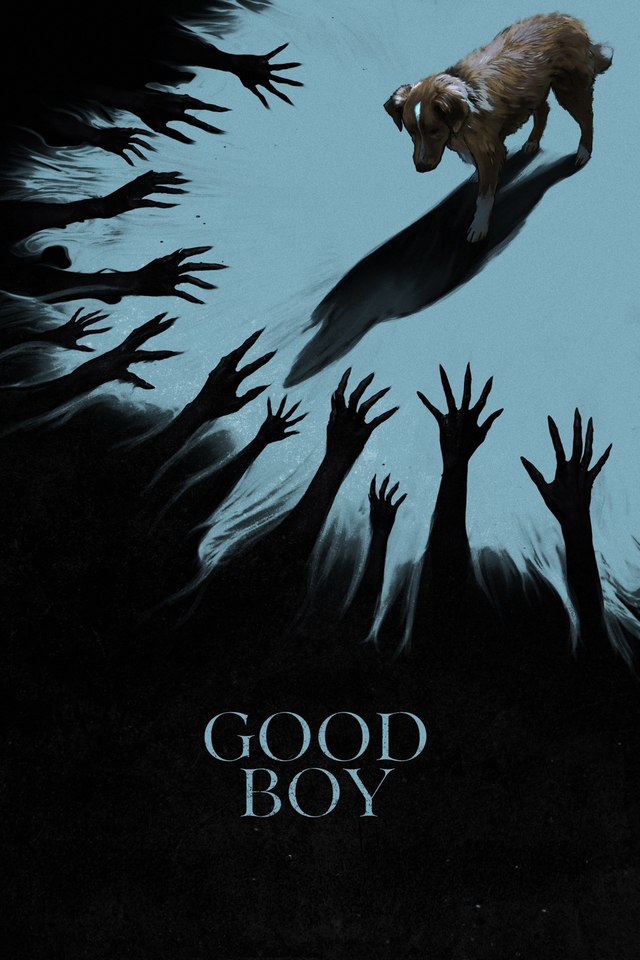
Rural horror cinema has long been the perfect refuge for filmmakers with more ambition than budget, more ideas than talent, and more faith in folklore than narrative coherence. Good Boy, the latest abomination from Ben Leonberg—a director whose filmography reads like a catalog of what not to do in the genre—is no exception. In fact, it’s the rule taken to its extreme: a film born with the pretense of paying homage to animal horror classics (think Cujo or The Thing, though here the only “thing” is the sheer lack of substance) but ending up as a manual on how to squander a decent premise in 73 minutes of runtime that feel like an eternity in the direct-to-video hell of the ‘90s. Produced by What’s Wrong with Your Dog?, a production company whose name sounds less like an artistic statement and more like the desperate scream of a pet owner at their wit’s end, the film bills itself as a fable about canine loyalty in the face of supernatural forces. What we get instead is a pastiche of rural clichés, digital effects straight out of a Goosebumps episode, and a script that oscillates between the predictable and the outright insulting to the viewer’s intelligence. Rural horror isn’t dead—Good Boy has buried it alive under a mountain of tropes and questionable creative decisions.
Leonberg, whose greatest achievement to date seems to be convincing someone to fund this mess, approaches Good Boy with the subtlety of a sledgehammer. His direction is about as nuanced as a 3 AM bark: static shots that aim for atmosphere but only manage to bore, tension sequences that deflate like a punctured balloon, and a pacing that alternates between soporific and outright chaotic. The director seems obsessed with the idea that a dog’s mere presence on screen is enough to generate emotion, as if audiences will automatically melt at the sight of any four-legged creature. Spoiler: it doesn’t work like that. Even genre cinema requires more than a cute animal and cheap synth music to create real tension. Here, the atmosphere is built with all the elegance of a farmer constructing a shed: lots of noise, little result, and an ending that looks improvised at the last minute. The saddest part is that, amid this disaster, there are glimpses of what could have been. Some scenes—especially those featuring Larry Fessenden, the only actor with enough craft to salvage something from this wreck—prove the material had potential. But Leonberg, in his quest to be “original,” prefers to drown any hint of brilliance under layers of shoddy CGI and dialogue that sounds like it was written by a Wattpad fanfiction algorithm.
The premise of Good Boy is, in theory, as simple as it is effective: a loyal dog discovers supernatural forces lurking in a rural home and must protect its owner from the entities haunting the shadows. Sounds like the perfect recipe for a rural thriller with Lovecraftian touches, right? Wrong. What we get is a film that confuses “supernatural” with “incomprehensible,” where the rules of the universe change every ten minutes to fit the script’s needs—or, more accurately, its lack of planning. The dark entities threatening Todd, the human owner, are so vaguely defined they could be demons, nosy neighbors with bad attitudes, or even just figments of a sleep-deprived mind. The script, penned by Alex Cannon—a name I’ll now forever associate with “wasted opportunities”—insists on explaining every detail as if the audience were a group of children on a field trip to the zoo, yet leaves plot holes so gaping they could be used to hang an elephant. The film suffers from a severe case of second-act syndrome, that moment when the screenwriter realizes they don’t have enough material to reach the end and decides to pad it out with filler scenes, unnecessary monologues, and a dog staring into the camera as if waiting for a treat that never comes.
The industrial context of Good Boy is as revealing as it is depressing. In an era where indie horror is experiencing a renaissance thanks to platforms like Shudder or studios like A24—who bet on fresh voices and risky narratives—this film is a reminder that low-budget doesn’t have to mean innovative. What’s Wrong with Your Dog? seems more interested in exploiting nostalgia for ‘80s rural horror than in contributing anything new to the genre. The result is a film that reeks of mothballs, as if someone had dusted off a thirty-year-old script and decided to film it with an iPhone and a budget left over from craft services. Rural horror isn’t exhausted—Good Boy is proof that some filmmakers confuse “homage” with “cheap knockoff.” Instead of drawing inspiration from the classics, the film recycles their worst vices: flat characters, terrible special effects, and an ending that feels like it was pulled from a choose your own adventure book written by someone in a hurry to hit the bar.
Direction: The Art of Making the Simple Seem Complicated
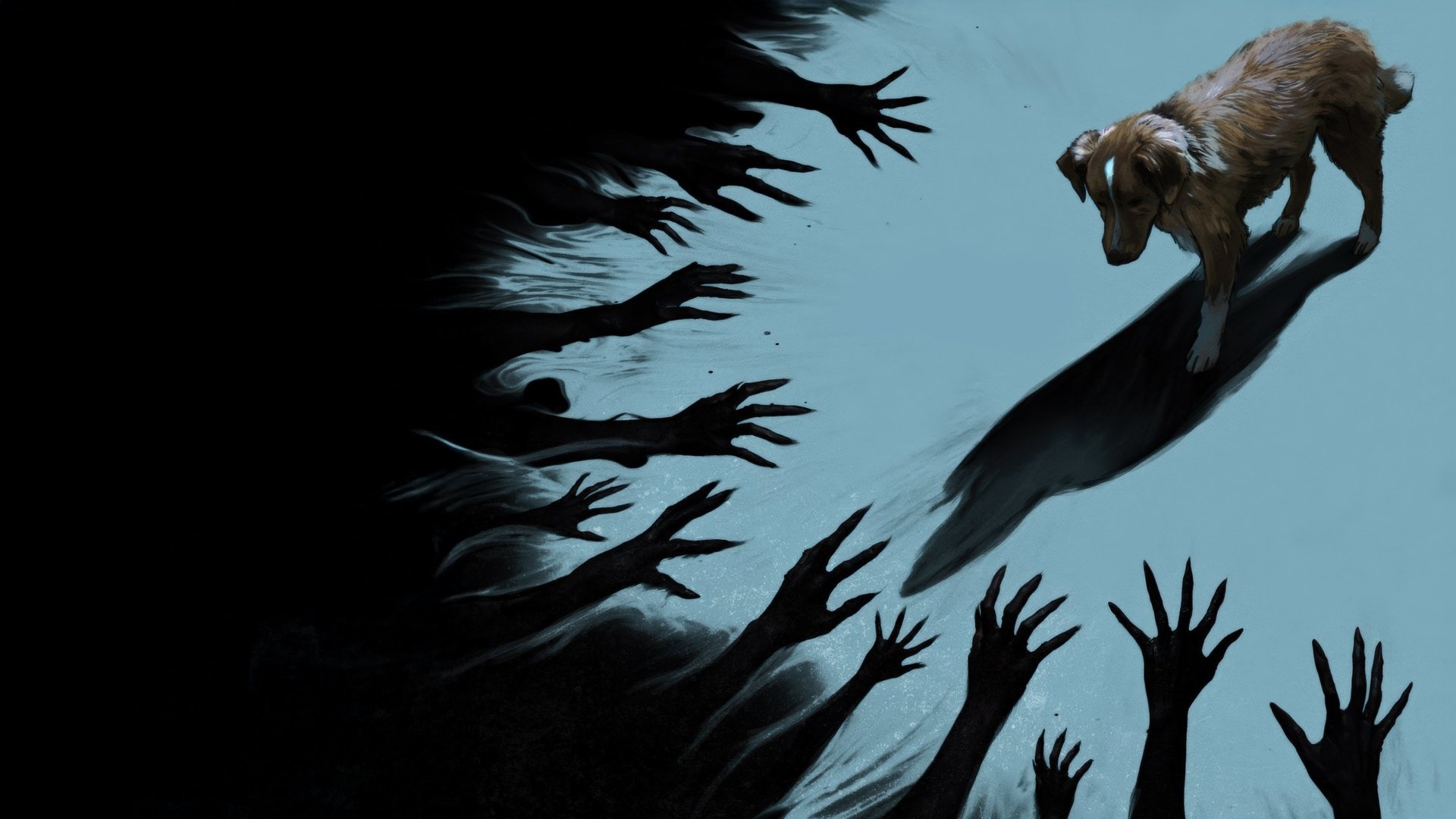
If Ben Leonberg proves anything with Good Boy, it’s that he has a special talent for turning what should be a straightforward, atmospheric thriller into a spectacle of visual and narrative confusion. His direction is as chaotic as a dog chasing its own tail: long shots that add nothing, forced angles that aim for artistry but only manage to disorient, and lighting that oscillates between amateurish and outright painful. Leonberg seems obsessed with the idea that rural horror must be slow, almost contemplative, but instead of creating tension, he leaves the audience wondering when something interesting will happen. And when it finally does, it’s so disappointing you almost wish for the static shots of the beginning.
Leonberg’s greatest sin isn’t his lack of technique—it’s his lack of judgment. There are moments when the film seems on the verge of taking off, especially when it focuses on the relationship between Todd and his dog, Indy. But instead of delving into that dynamic, the director prefers to get lost in poorly executed jump scares and digital effects that look like they were lifted from a Power Rangers episode. The scene where the dog confronts a supernatural entity is so ridiculous it’s hard to believe anyone approved it. This isn’t horror; it’s an unintentional parody of the worst ‘90s monster movies. Leonberg seems to think fear is built on screams and blaring music, but he forgets that real terror comes from atmosphere, suggestion, and—above all—coherence. Good Boy is a perfect example of how not to make a horror film: in a rush, without planning, and with a director who confuses slow burn with sheer boredom.
Performances: When the Dog Steals the Show (And Not in a Good Way)
The cast of Good Boy is a painful reminder that sometimes, human actors are the only thing saving a film from being a complete disaster. Shane Jensen, as Todd, does what he can with a script that gives him fewer nuances than an IKEA instruction manual. His performance oscillates between expressionless and outright robotic, as if someone told him rural horror requires acting like you’re in a permanent state of shock. Arielle Friedman, as the mysterious neighbor, has more charisma in a single shot than Jensen does in the entire film, but even she seems lost in a sea of dialogue that sounds like it was written by someone who just discovered what a “monologue” is.
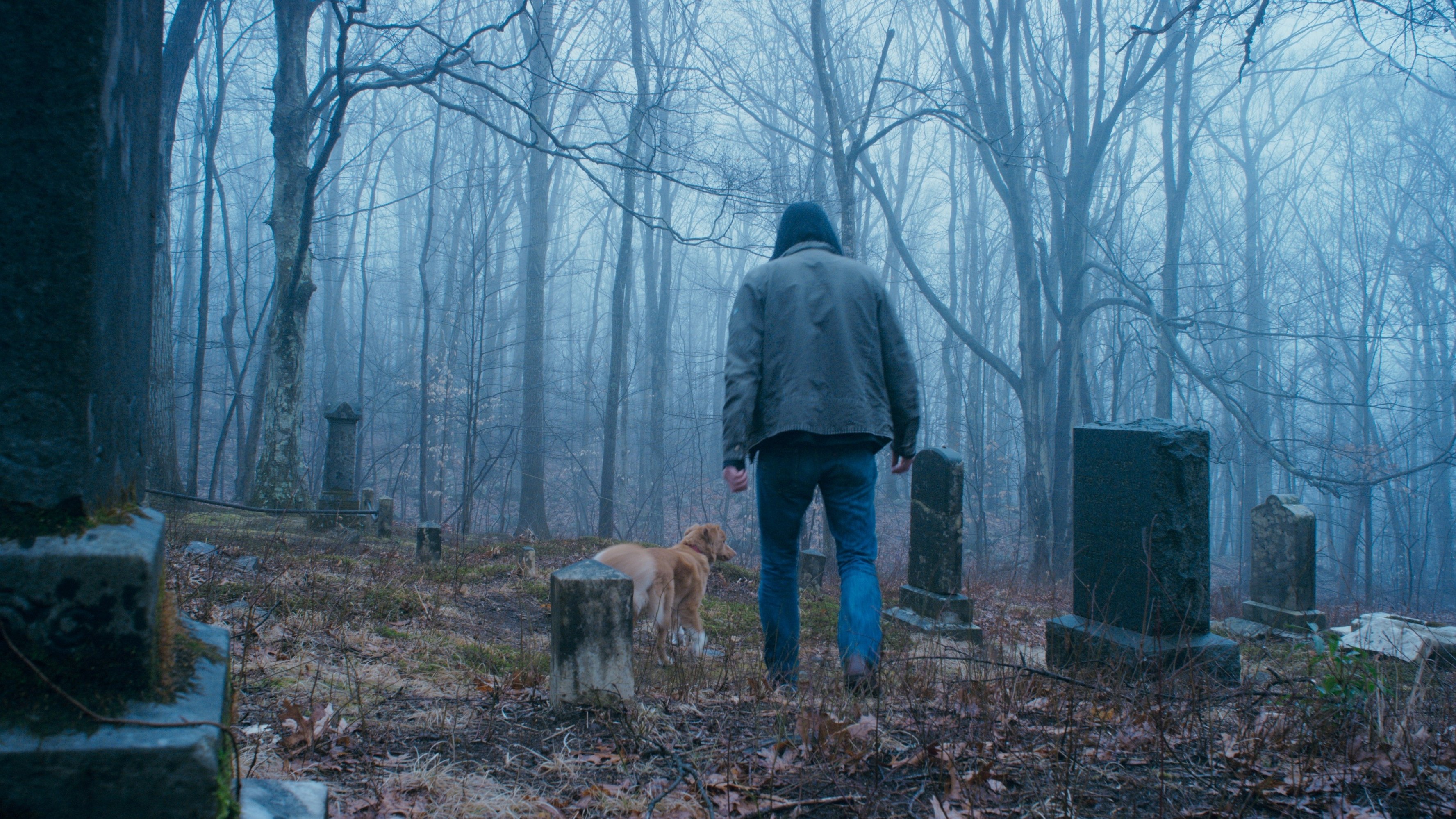
But if there’s one “actor” who steals the spotlight in Good Boy, it’s Indy, the canine lead. Indy is, without a doubt, the best “performer” in the film—though not for the reasons you’d expect. His on-screen presence is so dominant you almost forget there are humans in the movie. The problem is that Indy isn’t an actor; he’s a dog, and his “performance” is limited to staring into the camera, barking at key moments, and—in a particularly memorable scene—sniffing the air as if searching for the source of artistic failure. It’s not that Indy is bad; it’s that the film seems to believe his mere presence is enough to justify its existence. Instead of building a narrative around his character, Good Boy uses him as a four-legged MacGuffin, a narrative device that appears and disappears based on the script’s whims. The result is a film that feels unbalanced, as if someone decided a dog was more interesting than the human characters and built the entire plot around that idea without bothering to develop anything else.
The real MVP of the cast is, without a doubt, Larry Fessenden, an actor who’s made a career out of playing eccentric types in low-budget horror films. Fessenden, with his magnetic presence and ability to make even the most absurd dialogue sound believable, is the only thing saving Good Boy from being a complete disaster. His character, a reclusive old man with a mysterious past, is the only one who seems to understand that rural horror requires more than screams and cheap digital effects. Fessenden gives his role a depth the rest of the cast doesn’t even attempt, and his chemistry with Indy is the only thing that makes some scenes even remotely entertaining. It’s a shame his talent is wasted on a film more interested in barks than performances.
Technical Aspects: When the Low Budget Stings (And How)
The technical side of Good Boy is a painful reminder that sometimes, less is just less. The cinematography by Wade Grebnoel, for example, is so inconsistent you can almost feel the camera sweating as it tries to keep up with a film that doesn’t know what it wants to be. There are shots that aim for atmosphere, with dim lighting and elongated shadows, but they only manage to look blurry and out of focus. Other moments—especially those featuring the supernatural entities—are so overexposed you can practically see the strings holding up the digital effects. Grebnoel seems to believe rural horror requires a desaturated color palette and flat lighting, but the result is a film that looks like it was shot through a poorly applied Instagram filter.
The production design is another weak point. The rural house where most of the action takes place looks like it was pulled from a 1990s Airbnb catalog, with furniture that seems bought at an IKEA clearance sale and decor that oscillates between generic and outright tacky. There’s nothing about the house’s design that suggests anyone with personality lives there, let alone a place where supernatural forces lurk. The dark entities, meanwhile, are so vaguely defined you almost feel sorry for them. Instead of being terrifying, they look like they were pulled from a Scooby-Doo episode, with shapes that change every time they appear and a design closer to DeviantArt fan art than a horror film. The CGI, of course, is the star of this technical disaster. The digital effects in Good Boy are so bad you can almost see the pixels moving on screen, as if someone decided rural horror required a touch of unintentional glitch art.
The score, composed by someone whose name isn’t worth remembering, is another low point. Instead of creating tension, the music sounds like it was lifted from a meditation podcast, with cheap synthesizers and melodies that seem generated by a Spotify algorithm. There are moments when the music tries to be epic, especially in the action scenes, but the result is so ridiculous you can almost picture the composer laughing while recording it. The editing, meanwhile, is as chaotic as the rest of the film. Some scenes drag on for an eternity, while others cut so abruptly you wonder if someone fell asleep in the editing room. Good Boy is a film that looks and feels like it was made in a hurry, as if someone decided rural horror was an easy genre to master and only realized too late that it wasn’t.
The best
- Larry Fessenden’s presence: The veteran actor saves multiple scenes with his charisma and craft, proving that even in the worst contexts, talent always shines.
- The initial premise: The idea of a dog confronting supernatural forces to protect its owner is, in theory, promising. Too bad the script doesn’t know what to do with it.
- Some atmospheric shots: There are moments when the cinematography manages to create an eerie rural atmosphere, though they’re too few and far between.
- Indy, the dog: He’s not an actor, but his mere presence is the only thing that makes the film even remotely endearing.
The worst
- Alex Cannon’s script: A narrative disaster that oscillates between the predictable and the outright insulting, with dialogue that sounds like it was written by a Wattpad fanfiction algorithm.
- The narrative pacing: Alternates between soporific and chaotic, as if the film doesn’t know what it wants to be. Some scenes drag on forever, while others cut abruptly.
- The lack of coherence in the supernatural entities: So vaguely defined they could be anything from demons to nosy neighbors. The design is a visual disaster.
- The human performances: With the exception of Fessenden, the rest of the cast seems lost in a script that gives them nothing to work with.
The Verdict of Claqueta Ácida
Good Boy is definitive proof that having a decent premise isn’t enough to make a good film. Ben Leonberg and his team seem to believe rural horror is built on a cute dog, a few screams, and a tight budget, but they forget that cinema—even genre cinema—requires more than clichés and cheap digital effects. The film is a festival of wasted opportunities, a pastiche of tropes that oscillates between boring and outright ridiculous. It’s not that Good Boy is bad; it’s an insult to the viewer’s intelligence, a film that confuses atmosphere with boredom and terror with visual chaos. If you’re looking for a rural horror film that will leave you with goosebumps, look elsewhere. If you’re looking for a film that will make you laugh—but not in a good way—Good Boy is your pick. Just don’t say we didn’t warn you. 💀
🎬 Tráiler Oficial
💬 El Veredicto de la Comunidad
¿Qué te ha parecido la película? Deja tu nota de 0 a 10 para contrastarla con el análisis de la redacción.
Aún no has votado
📢 ¿Te ha gustado el ácido?
Comparte esta crítica con tus amigos cinéfilos o desata la polémica en redes.
📩 📩 Get the poison in your inbox
Join our weekly mailing list. Honest film reviews, acid festival coverage, and cult recommendations every Sunday morning. Zero spam, pure celluloid.
🔒 We promise weekly poisonous reviews and exclusive coverage.Related Reviews
Recommended autopsies for demanding film buffs.
 ⚠️ Ácido Sulfúrico4.2
**Good Boy: The Dog That Saved No One (Not Even Itself)**
A supernatural canine stars in a film that barks up the wrong tree. *Claqueta Ácida* dissects this rural dud with the precision of a scalpel in a slaughterhouse.
 ⚡ Ácido Cítrico6.2
*Exit 8*: The Horror Station That Can’t Find Its Way Out (And Neither Can You)
Genki Kawamura adapts *The Exit 8* video game with more loops than a politician’s campaign promises. Will it escape the purgatory of J-horror, or is it doomed to linger in its own terminal?
 🔥 Fusión Nuclear8.5
*Mandy: Hell on Celluloid or How Cosmatos Turned a Garage Budget into a Psychedelic Nightmare*
Panos Cosmatos delivers a visual orgy of revenge, acid, and chainsaws that makes Tarantino look like an altar boy. There’s no redemption here—just charred flesh and demonic synthesizers.