Grand Ciel — A Wasteland of Emotions
A devastating critique of Grand Ciel, the film that’ll leave you parched

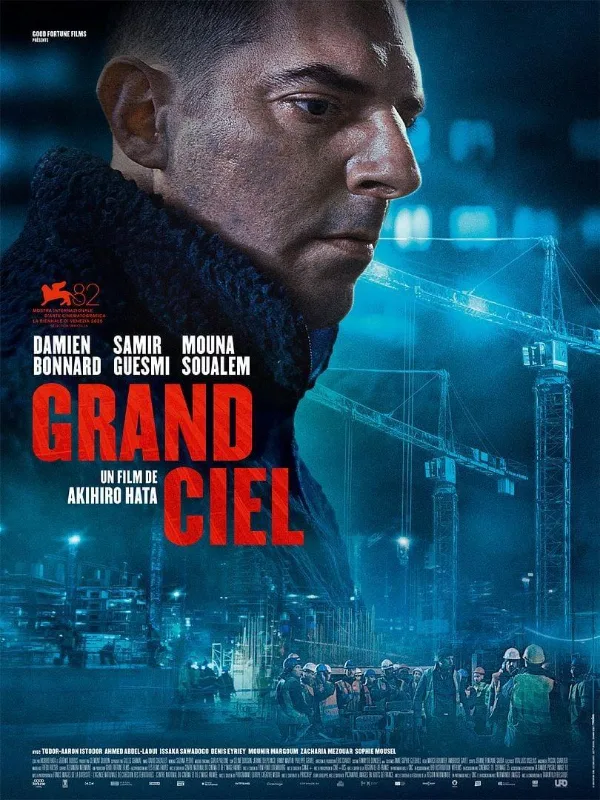
The celluloid unfurls like a cursed scroll in Claqueta Ácida’s screening room, where the stench of stale popcorn and the flickering light of a busted projector remind us that cinema, in its purest form, is an act of industrialized black magic. Grand Ciel, the latest creature from Akihiro Hata, emerges from the shadows like a cinematic specter, oscillating between existential poetry and pretentious boredom, much like a Tarkovsky ghost trapped in a Black Mirror episode directed by a philosophy intern. It’s no coincidence this film was born at a time when auteur cinema teeters between intellectual self-indulgence and the desperate need to connect with an audience that now consumes content in 15-second bites. Hata, a director who’s made narrative ambiguity his trademark, seems hell-bent on proving that hermeticism can be as fascinating as it is frustrating—so long as you’re willing to sacrifice clarity at the altar of misunderstood depth.
The career of Akihiro Hata is that of a sniper of contemplative cinema, a man who prefers endless long takes to direct dialogue and seems obsessed with the idea that silence is more eloquent than any monologue. His previous works, like "The Landscapes" and "A Stray Cat," already made it clear that his cinema is a hostile territory for the impatient, a place where characters wander like lost souls while the camera observes them with the cold detachment of an entomologist studying insects under a microscope. With Grand Ciel, Hata doesn’t just reinforce his obsession with the incomplete and ambiguous—he takes it to a near-parodic extreme, as if he wants to prove that cinema can be as inaccessible as a Kantian metaphysics treatise written in Sanskrit. The project, produced by Les Films du Poisson and Arte France Cinéma, arrives at a moment when European cinema seems to have abdicated its duty to entertain, opting instead for a self-imposed elitism that reeks more of fear of commercial failure than a genuine artistic quest. It’s no surprise that Grand Ciel has been met with lukewarm applause at festivals and confused stares in commercial theaters, as if the audience isn’t quite sure whether they’re witnessing a misunderstood masterpiece or the naked emperor of auteur cinema.
The screenplay, penned by Jérémie Dubois, is a labyrinth of words where dialogue flows with the fluidity of liquid mercury: beautiful but impossible to grasp. Dubois, a screenwriter who’s worked with directors like Jacques Audiard and Céline Sciamma, demonstrates an undeniable mastery in crafting lines that sound profound, though one sometimes suspects they’re devoid of real meaning. The narrative structure of Grand Ciel is fragmentary and elliptical, as if Hata and Dubois have decided that coherence is a bourgeois concept that must be destroyed in the name of art. The characters, all victims of their own contradictions, move through a world where time seems to have stopped, as if they’re trapped in an existential loop from which they can only escape through grand gestures or endless monologues. Set in a French coastal village that looks like it was plucked from a Caspar David Friedrich painting, the film uses the landscape as a mirror for its tortured souls, though one sometimes gets the sense that the production design is more concerned with looking good on camera than serving the story.
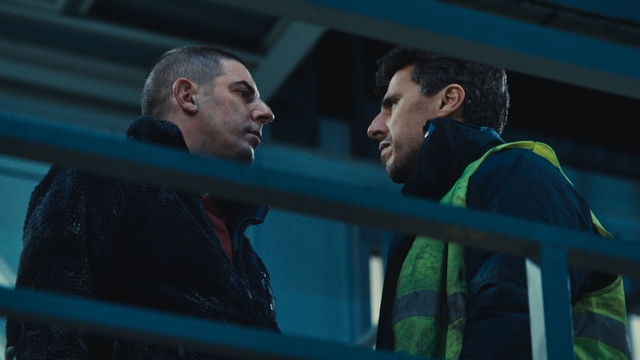
The cinematography by David Chizallet, a frequent collaborator of Claire Denis and Alice Diop, is, without a doubt, the visual soul of Grand Ciel. Chizallet, a master of naturalistic lighting, captures the melancholic essence of the French landscape with surgical precision, using a color palette that oscillates between lead grays and icy blues, as if the film were bathed in tears of steel. The shots, many of them static and contemplative, have the texture of a fever dream, where every frame seems laden with hidden meaning. Yet there are moments when the obsession with visual beauty borders on the narcissistic, as if Chizallet were more interested in signing his work than serving the narrative. The lighting, especially in night scenes, is stunning, with a lighting design reminiscent of German Expressionism, though one sometimes feels the characters are lit like mannequins in a luxury store window.
Direction: The Tightrope Between the Sublime and the Soporific
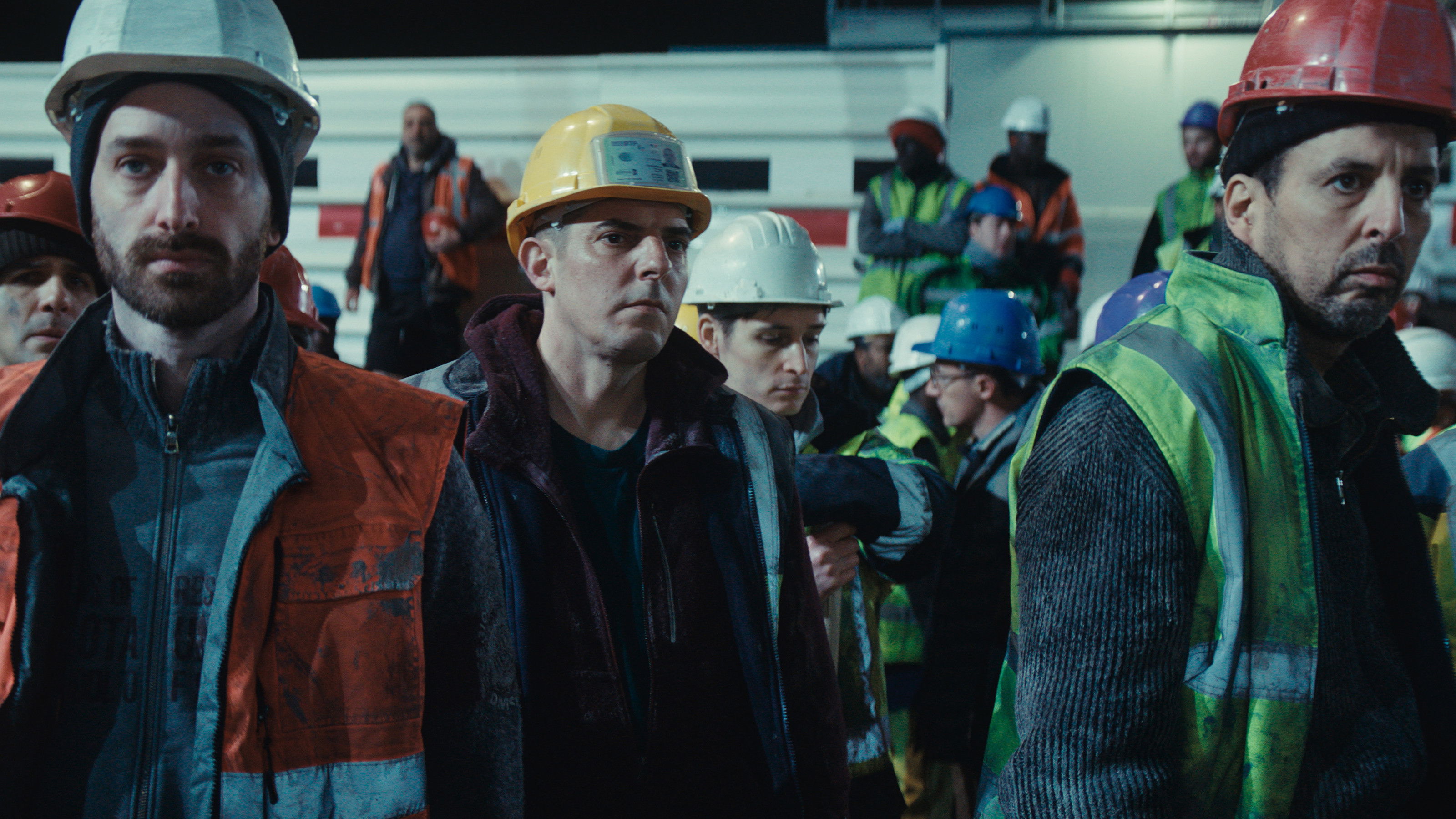
The direction of Akihiro Hata in Grand Ciel is a balancing act between the sublime and the soporific, a choreography of silences and glances that sometimes moves and other times exasperates. Hata, a director who seems obsessed with the idea that cinema must hurt, constructs his film like a visual poem, where every shot, every camera movement, is laden with intent. Yet this obsession with form sometimes drowns the emotion, as if Hata were more concerned with showcasing his technical prowess than telling a story. The long takes, for example, are technically flawless, but one sometimes feels they’re there just to prove Hata can film them, like a juggler who keeps upping the difficulty even as the audience yawns. The mise-en-scène, on the other hand, is meticulous and detailed, with an attention to detail reminiscent of Robert Bresson, though one sometimes senses Hata is more interested in form than substance.
The narrative pace of Grand Ciel is deliberately slow, as if Hata wants to punish the viewer for their impatience. Some scenes drag on to the point of exhaustion, as if the director is testing the limits of human endurance, while others fly by too quickly, leaving the viewer with the feeling they’ve missed something important. This lack of consistency in pacing is one of the film’s biggest flaws, as one sometimes feels they’re watching two different movies: a masterpiece of contemplative cinema and a pretentious exercise in self-indulgence. Hata, however, redeems himself in key moments, especially in scenes where he explores the relationships between characters, using silence and gaze as tools to convey complex emotions. In these moments, Grand Ciel shines with a near-hypnotic intensity, reminding us why cinema, in its purest form, remains an art capable of moving us to tears.
Performances: A Cast That Swings Between Brilliant and Unbearable
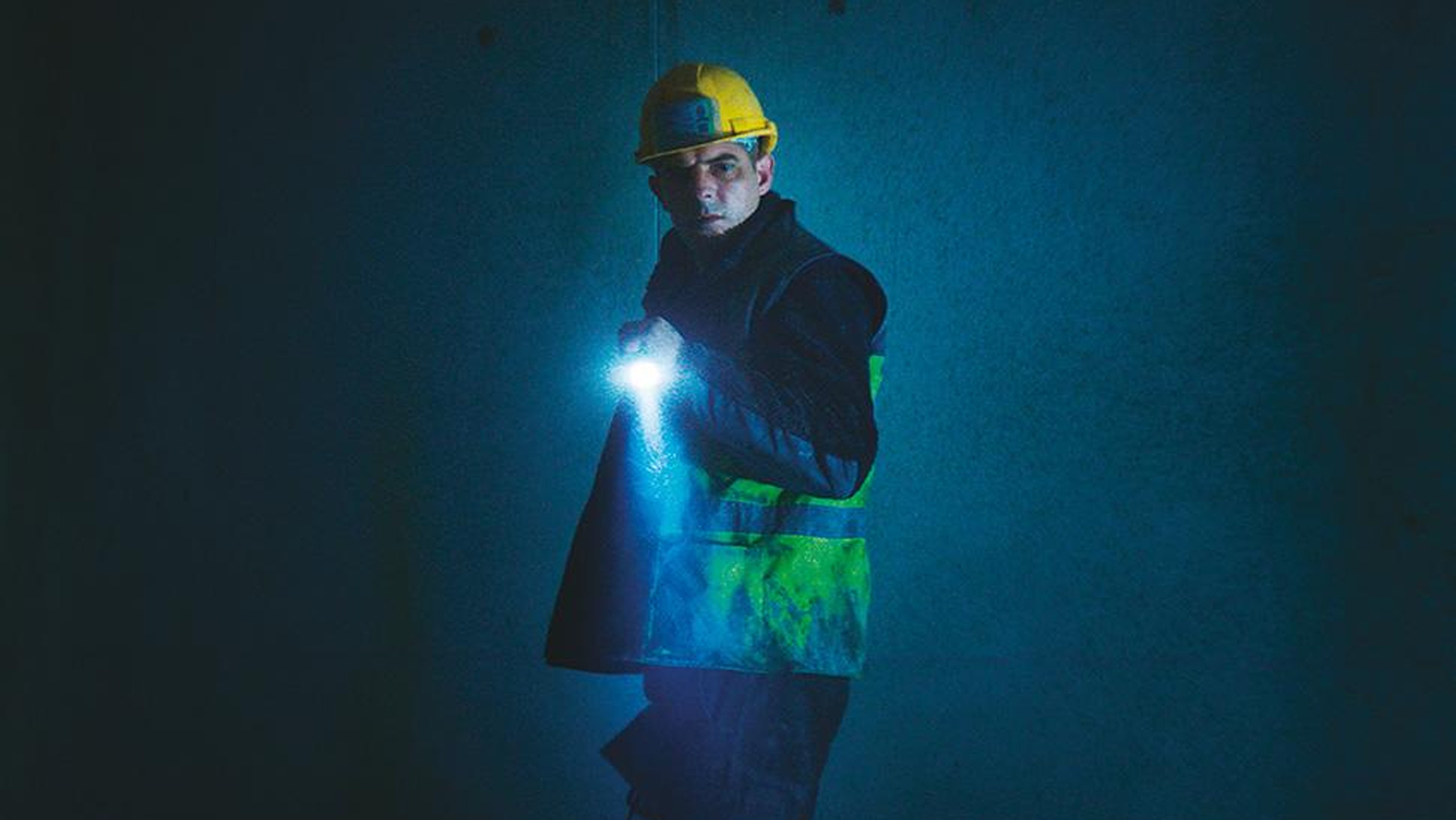
The cast of Grand Ciel is an army of actors who seem to have been chosen for their ability to suffer in silence, as if Hata sought martyrs of auteur cinema willing to sacrifice their sanity in the name of art. Damien Bonnard, an actor who already proved his gift for introspection in films like "A Perfect Man" and "Les Misérables," is, without a doubt, the film’s emotional anchor. Bonnard, with his beaten-dog gaze and his ability to convey pain with a single gesture, manages to connect with the audience even in the most hermetic moments of the plot. His performance is subtle and restrained, as if he’s fighting the script to give humanity to a character that would otherwise be unbearably pretentious. Noémie Merlant, for her part, delivers an intense and visceral performance, though one sometimes feels she’s overacting to compensate for the script’s coldness. Merlant, an actress who’s proven her versatility in films like "Portrait of a Lady on Fire," seems trapped in a role that oscillates between the poetic and the ridiculous, as if she’s not quite sure whether her character is a tragic heroine or a self-parody.
The rest of the cast, while competent, pales in comparison to the stellar performances of Bonnard and Merlant. Vincent Lacoste, as a phony philosopher, seems lost in a sea of incomprehensible dialogue, as if he’s improvising rather than acting. His character, a walking cliché of the French intellectual, is one of the film’s weakest points, as his lack of depth contrasts with the complexity of the other characters. Laetitia Casta, meanwhile, offers a correct but forgettable performance, as if she’s playing a role rather than living it. Casta, an actress who’s proven her talent in films like "Gainsbourg: A Heroic Life," seems wasted in a role that doesn’t let her shine. Overall, the cast of Grand Ciel is uneven, with moments of brilliance that contrast with mediocre performances that feel like they’ve been lifted from a daytime TV movie.
Technical Department: Beauty as a Double-Edged Sword
The technical department of Grand Ciel is, without a doubt, its greatest virtue, though also its biggest burden. The cinematography by David Chizallet, as mentioned earlier, is stunning, with a lighting design that recalls German Expressionism and a color palette that oscillates between the melancholic and the oppressive. Chizallet, a master of naturalistic light, captures the essence of the French landscape with surgical precision, using symmetrical framing and balanced compositions that look like they’ve been plucked from a Renaissance painting. Yet there are moments when the obsession with visual beauty borders on narcissism, as if Chizallet were more interested in signing his work than serving the story. The close-ups, for example, are beautiful, but one sometimes feels they’re there just to show off the cinematographer’s skill rather than adding something to the narrative.
The production design, by Emmanuelle Duplay, is meticulous and detailed, with an attention to detail reminiscent of Stanley Kubrick. Duplay, a designer who’s worked on films like "The Artist" and "The Connection," creates a visually coherent world, where every object, every piece of furniture, every article of clothing, seems laden with meaning. Yet there are moments when the production design feels too polished, as if Duplay were more interested in creating a decor catalog than serving the story. The interiors, for example, are flawless, but one sometimes feels they’re too clean, as if the characters live in a museum rather than a real home. The costumes, on the other hand, are functional and unmemorable, as if the characters are wearing designer clothes rather than clothes with personality.
The score, composed by Dan Levy, is subtle and evocative, with a minimalist soundtrack reminiscent of Jóhann Jóhannsson’s work in "Arrival." Levy, a composer who’s worked on films like "The Night Manager" and "The OA," creates a sonic atmosphere that perfectly complements the cinematography and production design. Yet there are moments when the music feels too intrusive, as if Levy is forcing emotion rather than letting it arise naturally. The editing, by Valérie Deseine, is precise and balanced, though one sometimes feels it lacks rhythm, as if Deseine is too concerned with respecting Hata’s tempo rather than imposing her own vision. Overall, the technical department of Grand Ciel is impressive, but also too polished, as if the film is more interested in dazzling than moving.
The best
- The cinematography by David Chizallet: A work of visual goldsmithing that turns every frame into a work of art, though one sometimes feels the film is prettier than it is profound. Chizallet demonstrates undeniable mastery in his use of light and color, creating a melancholic atmosphere that envelops the viewer like a silken shroud.
- Damien Bonnard’s performance: A restrained and powerful portrayal that humanizes a character who would otherwise be unbearably pretentious. Bonnard, with his beaten-dog gaze and his ability to convey pain with a single gesture, is the film’s emotional core.
- Jérémie Dubois’ screenplay: Though hermetic and fragmented, Dubois’ script manages to craft dialogue that sounds profound, even when one suspects it’s empty of real meaning. The elliptical narrative structure is bold and brave, though sometimes frustrating.
- Dan Levy’s score: A minimalist and evocative soundtrack that perfectly complements the cinematography and production design, though it sometimes feels too intrusive.
The worst
- The narrative pace: Grand Ciel is a film that hates its audience, punishing them with interminable scenes and a deliberately slow tempo that sometimes borders on the soporific. Hata seems obsessed with the idea that cinema must hurt, as if the viewer’s patience were an infinite resource.
- The inconsistency in performances: While Damien Bonnard and Noémie Merlant shine, the rest of the cast pales in comparison, with mediocre performances that feel like they’ve been lifted from a daytime TV movie. Vincent Lacoste, in particular, seems lost in a sea of incomprehensible dialogue, as if he’s improvising rather than acting.
- The pretentiousness of the screenplay: Though Jérémie Dubois crafts dialogue that sounds profound, one sometimes feels it’s empty of real meaning, as if the film is more interested in impressing than moving. The fragmented structure is bold, but also frustrating, as if Hata and Dubois have sacrificed coherence at the altar of art.
- The overly polished production design: Though Emmanuelle Duplay creates a visually coherent world, one sometimes feels the characters live in a museum rather than a real home. The costumes, meanwhile, are functional and unmemorable, as if the characters are wearing designer clothes rather than clothes with personality.
- The runtime: At 130 minutes, Grand Ciel demands patience, and doesn’t always reward it. There are moments when one feels the film could have been shorter without losing any of its essence.
The Verdict of Claqueta Ácida
Grand Ciel is a film that swings between the sublime and the unbearable, a contemplative cinema exercise that sometimes moves and other times exasperates. Akihiro Hata, a director who seems obsessed with the idea that cinema must hurt, delivers a visually stunning but also pretentious and hermetic work, as if he’s more interested in impressing critics than connecting with the audience. With uneven performances, a fragmented script, and a deliberately slow narrative pace, Grand Ciel is a film that divides more than it unites, a cinematic experience that some will adore and others will despise. At Claqueta Ácida, we believe Grand Ciel is a brave film, but also frustrating, a mirror of the contradictions of European auteur cinema, where visual beauty sometimes drowns the emotion. If you’re looking for a film that makes you think, Grand Ciel is for you. If you’re looking for a film that entertains, run in the opposite direction. 💀
💬 El Veredicto de la Comunidad
¿Qué te ha parecido la película? Deja tu nota de 0 a 10 para contrastarla con el análisis de la redacción.
Aún no has votado
📢 ¿Te ha gustado el ácido?
Comparte esta crítica con tus amigos cinéfilos o desata la polémica en redes.
📩 📩 Get the poison in your inbox
Join our weekly mailing list. Honest film reviews, acid festival coverage, and cult recommendations every Sunday morning. Zero spam, pure celluloid.
🔒 We promise weekly poisonous reviews and exclusive coverage.Related Reviews
Recommended autopsies for demanding film buffs.
 ⚠️ Ácido Sulfúrico4.5
Grand Ciel: A Wasteland of Emotions
A devastating critique of Grand Ciel, the film that’ll leave you parched
 ⚠️ Ácido Sulfúrico0.0
**PUFA 2026: "Bad Haircut" Wins the Festival—and Its Barber Gives Us a One-Way Ticket to Nuremberg (The Definitive Palmares, or How to Learn to Love the Absurd)**
*"Bad Haircut" takes home Best Film at the third edition of the Valladolid International Fantastic and Horror Film Festival, while the jury and critics remain deeply divided over the film’s quality.*
 ⚡ Ácido Cítrico5.0
Quantum Rave: The Neon Feast Nobody Asked For (And We All Deserved)
Paco Campano serves us a cocktail of cheap psychedelia and rusted robotics in 'Quantum Rave.' Art or cosmic vomit? Claqueta Ácida decides with boxing gloves on.