The Texas Chain Saw Massacre — The Bloody Dawn of Modern Terror (Or How Tobe Hooper Gifted Us Nightmares with a Chainsaw and Zero Budget)
Tobe Hooper turned $140,000 and an abandoned slaughterhouse into hell on Earth. Claqueta Ácida dissects this horror classic with a chainsaw, pitch-black humor, and a devotion to bloodstained celluloid.

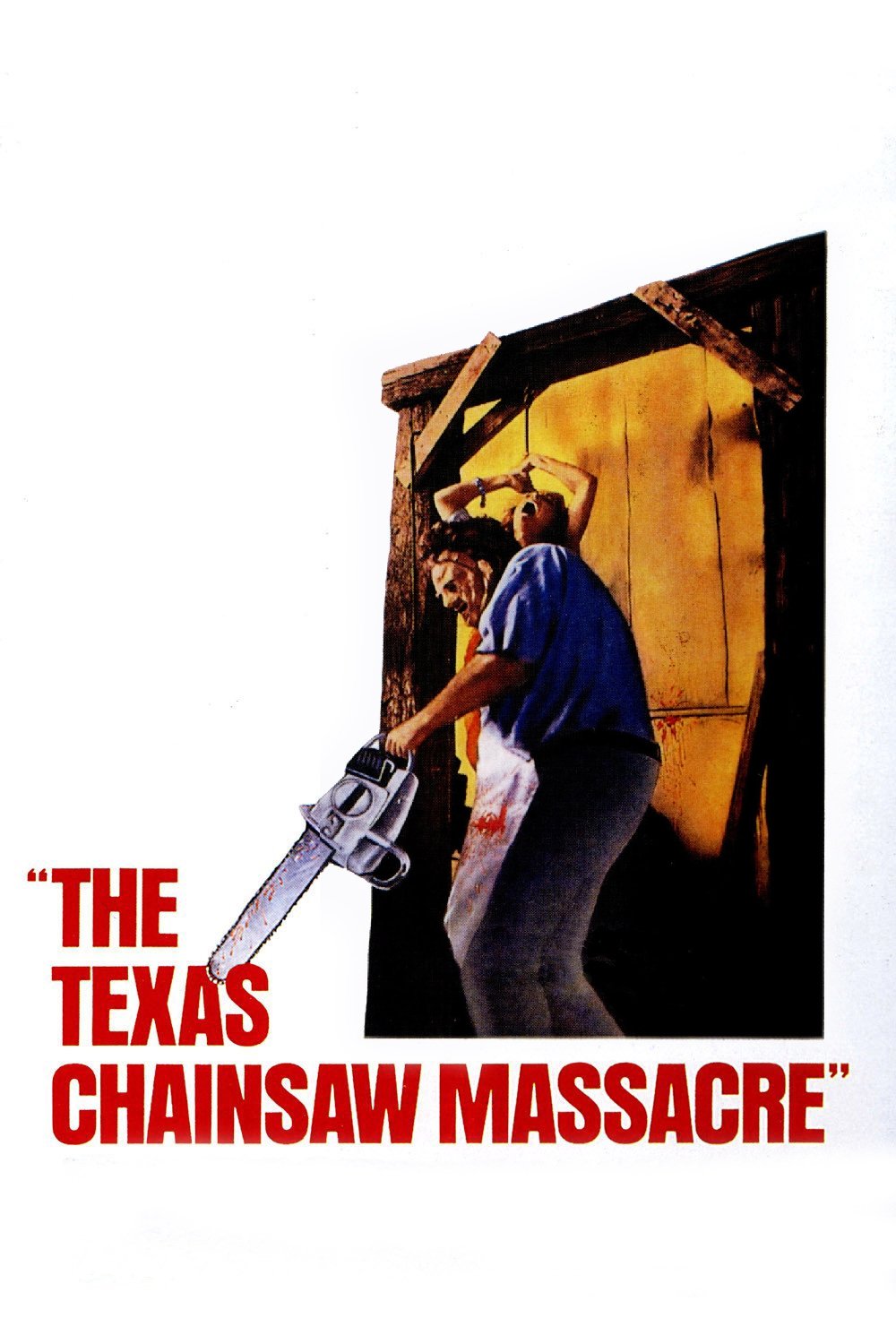
The celluloid crackles beneath our fingers like the skin of a freshly unearthed corpse as the reel of The Texas Chain Saw Massacre begins to spin in the projector. It was 1974, and the world had no idea that Tobe Hooper, a documentary and commercial director with more ambition than budget, was about to birth the filthiest, most claustrophobic, and brilliantly merciless nightmare in cinema history. With just $140,000—less than the cost of a decent used car today—Hooper and his crew locked themselves in an abandoned Texas slaughterhouse, surrounded by flies, suffocating heat, and a cast of unknown actors who, unknowingly, were about to become horror icons. The result wasn’t just a movie; it was a collective exorcism: a work that reeks of sweat, dried blood, and rotting flesh, filmed with the urgency of someone who knew they were capturing something forbidden, something the censors and puritans would try—and fail—to destroy. Because The Texas Chain Saw Massacre isn’t just a horror film; it’s an act of war against bourgeois comfort, a sucker punch to the face of the American Dream, served with a chainsaw and a grin of rotten teeth.
The context in which this masterpiece was born is as crucial as the film itself. America was drowning in the bitter aftermath of Watergate, the Vietnam War, and an economic crisis that left families shattered and youth disillusioned. Cinema, until then dominated by Hollywood’s forced optimism or the empty glamour of studio productions, needed a visceral revolution. And boy, did it get one. While directors like George A. Romero had already opened the floodgates with Night of the Living Dead (1968), Hooper took terror to an even more uncomfortable place: that of the dysfunctional family taken to its extreme, of cannibalism as a metaphor for capitalist decay, and of the fear of the rural, that deep America urbanites preferred to ignore. The Texas Chain Saw Massacre isn’t a movie about a chainsaw-wielding killer; it’s a movie about the rot lurking behind the façade of normality, about how horror doesn’t always wear a mask—sometimes it just wears the face of your neighbor. And that, dear readers, is far more terrifying than any cardboard monster.
But let’s talk about money, because this is where Hooper’s magic truly shines. With a budget that wouldn’t even cover the craft services for a Michael Bay film, the director and his team had to resort to solutions as ingenious as they were desperate. Need bones for the Sawyer family’s dining room decor? Buy them from a local butcher, paint them gray, and call it a day. Running low on realistic blood effects? Use real blood (yes, from the slaughterhouse animals) and pray it didn’t spoil under the Texas sun. The heat unbearable? Shoot in the summer, with temperatures over 100 degrees, because there was no money for air conditioning. The result is a film that smells, quite literally, of sweat and desperation. Every frame, every shot, every camera movement seems captured in the moment just before everything falls apart, as if the crew knew they were filming something that would transcend time. And transcend it they did.
The screenplay, written by Kim Henkel—Hooper’s partner and co-founder of the production company—is a masterclass in narrative economy. There’s no filler, no unnecessary subplots, no cheap psychological explanations. Five young people—two couples and a poor soul in a wheelchair—venture into the heart of Texas searching for the desecrated grave of one of their grandfathers. What they find isn’t a ghost, a vampire, or a run-of-the-mill serial killer: they find a family of cannibals, a tribe of outcasts who’ve turned horror into their way of life. The patriarch, Leatherface, isn’t a villain with deep motivations; he’s a wounded animal, a being deformed by isolation and madness who only knows how to communicate through violence. And that, dear readers, is the genius of The Texas Chain Saw Massacre: it doesn’t need to justify its horror, because the horror is already there, lurking in every frame, every glance, every drop of sweat rolling down Marilyn Burns’ forehead as she flees for her life.
Direction: The Art of Filming Hell with a Handheld Camera
If there’s one thing that defines Tobe Hooper’s style in The Texas Chain Saw Massacre, it’s his ability to turn limitations into virtues. With a camera that looks like it was borrowed from a war documentary and a crew working more for love of the craft than for a decent paycheck, Hooper created an atmosphere of suffocating claustrophobia, as if the film itself were alive and breathing alongside the characters. Long takes are rare, but when they appear—like in the iconic scene where Leatherface chases Sally through the woods—they’re of brutal intensity, shot with a camera that seems to stagger to the rhythm of the protagonist’s panic. Hooper doesn’t need special effects or CGI; a well-thought-out shot, a close-up of a contorted face, and the sound of a chainsaw revving closer are enough to make the viewer feel like they’re about to die.
The editing, by J. Larry Carroll and Sallye Richardson, is another of the film’s strengths. The pacing is relentless, without respite, as if the film itself knows it can’t afford to bore the audience. Transitions between scenes are abrupt, almost violent, like each cut is a stab at the screen. And then there’s the sound: the buzz of the chainsaw, Sally’s screams, the dogs’ barks, the crunch of bones beneath Leatherface’s feet. Hooper understood something many modern horror directors forget: terror isn’t seen, it’s felt. And in The Texas Chain Saw Massacre, it’s felt in every pore of your skin.
Actors: When Method Acting Becomes Madness (and Vice Versa)
The cast of The Texas Chain Saw Massacre is mostly a group of unknown actors who had never been in front of a camera before. And yet, their performances are so authentic, so raw, it’s hard to believe they weren’t seasoned method actors. Marilyn Burns, as Sally Hardesty, is the film’s true protagonist, and her performance is a masterclass in pure terror. From the moment her character steps into the Sawyer house, Burns conveys a genuine panic, as if she knows she’s not acting but living a real nightmare. Her screams aren’t fake; they’re the screams of someone who knows they’re going to die. And when, in the film’s climax, Sally escapes the house and climbs into the back of a pickup truck, her face covered in blood and her eyes wild, we’re not watching an actress—we’re watching a survivor.
But if Burns is the heart of the film, Gunnar Hansen—the actor who played Leatherface—is its soul. Hansen, a nearly seven-foot-tall Icelander working as an English teacher in Texas, was cast for his imposing physique and ability to move like a wounded animal. And move he did. Leatherface isn’t a villain; he’s a force of nature, a being who moves with the clumsiness of a child and the ferocity of a predator. Hansen studied mentally disabled patients to bring his character to life, and the result is terrifyingly realistic. When Leatherface wields his chainsaw, he doesn’t do it with the elegance of a movie killer; he does it with the desperation of someone who doesn’t know how to do anything else. And that, dear readers, is what makes this character eternal. He’s not a cardboard monster; he’s the neighbor you never greeted, the weird guy in town, the cousin your mother told you not to stare at.
And then there’s Edwin Neal, the actor who played The Hitchhiker, a character so disturbing he makes Leatherface look like a teddy bear. Neal, a real-life Vietnam veteran with mental health issues, brought his own madness to the role, creating a character who’s half sinister clown, half demon straight from hell. His scene in the car, where he slices his hand with a razor and laughs like a man possessed, is one of the most uncomfortable sequences in cinema history—not for what it shows, but for what it suggests. Neal isn’t acting; he’s possessed, and his performance is so real it hurts. When The Hitchhiker dies, it’s not a relief; it’s the moment the film stops being fiction and becomes a documentary about evil.
Technical Aspects: Terror Made with Duct Tape and Real Blood
If The Texas Chain Saw Massacre proves anything, it’s that terror doesn’t need expensive special effects—it needs brilliant ideas. The production design, by Robert A. Burns—who also worked as an assistant director—is a masterpiece of the macabre. The Sawyer house isn’t a set; it’s a living, rotting organism, filled with bones, feathers, broken furniture, and a dining table that looks like it was plucked from a slaughterhouse. Every corner of the house reeks of decay and madness, as if the Sawyers themselves built it from the remains of their victims. And then there’s Grandpa, the family patriarch, a mummified old man who looks like he was pulled from a zombie movie but with twice the pathos. Burns found him in an antique shop, covered him in fake blood, and sat him at the table like a hunting trophy. The result is so grotesque it hurts, but also so real it fascinates.
The cinematography by Daniel Pearl is another of the film’s strengths. Pearl, who at the time had only worked on documentaries, managed to capture the filth and sweat of the film with a muted, earthy color palette, as if the film itself were stained with dirt and blood. The shots are raw, almost documentary-like, but they also have a poetic beauty in their ugliness. When Sally flees through the woods, pursued by Leatherface, the camera follows her with a desperate urgency, as if it knows there’s no escape. And when, in the climax, the dawn light illuminates Sally’s face as she escapes in the pickup truck, it’s not a moment of hope—it’s one of resignation. Pearl understood something many cinematographers forget: terror doesn’t need darkness to be effective; sometimes, light is the worst enemy.
The score, composed by Wayne Bell and Tobe Hooper, is minimalist but effective, like the buzz of a fly in an empty room. There are no grand orchestrations or memorable themes; just ambient sounds, screams, distorted laughter, and the noise of the chainsaw, which becomes the film’s leitmotif. The sound is so crucial in The Texas Chain Saw Massacre that you can almost smell the blood and sweat through the screen. And when, in the climax, the music stops and all you hear is the buzz of the chainsaw drawing closer, the viewer knows there’s no way out.
The best
- Tobe Hooper’s direction: A low-budget genius exercise that turned limitations into virtues. Hooper filmed hell with a handheld camera and a shoestring budget, and the result is one of the most terrifying films ever made.
- Marilyn Burns’ performance: Sally Hardesty isn’t your typical horror protagonist; she’s a real survivor, and Burns plays her with a panic so genuine it hurts. Her screams are the screams of someone who knows they’re going to die.
- Gunnar Hansen as Leatherface: An eternal monster, played with an animalistic physicality and ferocity that transcends the screen. Hansen didn’t act—he became Leatherface, and the result is terrifyingly realistic.
- The production design: The Sawyer house isn’t a set; it’s a living, rotting organism, filled with bones, blood, and madness. Every corner reeks of decay and horror, as if the characters built their home from the remains of their victims.
- Daniel Pearl’s cinematography: A masterpiece of filth and realism, with an earthy color palette that reeks of blood and sweat. Pearl captured the essence of rural terror with a camera that looked like it was borrowed from a war documentary.
The worst
- The pacing in the first half-hour: While the film is relentless in its second half, the first 30 minutes can feel a bit slow by today’s standards. Hooper takes his time revving up the engine, but once he does, there’s no stopping the chainsaw.
- Some unnecessary dialogue: There are moments where the characters talk too much, especially in the early scenes. Fortunately, Hooper corrects course and lets the action speak for itself.
- Lack of development for secondary characters: The young people accompanying Sally are little more than cannon fodder, and their deaths, while shocking, don’t sting as much as they could. Fortunately, Sally and Leatherface more than make up for this shortcoming.
- The somewhat abrupt ending: After 80 minutes of pure terror, the film’s climax arrives too quickly, as if Hooper didn’t quite know how to wrap up his masterpiece. Fortunately, the final scene—with Sally laughing maniacally as she escapes—redeems any flaws.
The Verdict of Claqueta Ácida
The Texas Chain Saw Massacre isn’t just a film; it’s a rite of passage for any horror lover. With a shoestring budget, a cast of unknowns, and a chainsaw as its star, Tobe Hooper created a masterpiece that still terrifies 50 years later. It’s not perfect—it has its slow moments, its unnecessary dialogue, and a somewhat abrupt ending—but its genius lies in its imperfection. This film reeks of sweat, blood, and rotting flesh, and that’s something no amount of CGI could ever replicate. The Texas Chain Saw Massacre isn’t a film you watch; it’s a film that hits you in the gut, that lingers in the air like a stench, that haunts your nightmares. And that, dear readers, is true terror. If you haven’t seen it yet, do it now—but don’t say we didn’t warn you. Because Leatherface doesn’t forgive, and neither does Claqueta Ácida. 💀
🎬 Tráiler Oficial
💬 El Veredicto de la Comunidad
¿Qué te ha parecido la película? Deja tu nota de 0 a 10 para contrastarla con el análisis de la redacción.
Aún no has votado
📢 ¿Te ha gustado el ácido?
Comparte esta crítica con tus amigos cinéfilos o desata la polémica en redes.
📩 📩 Get the poison in your inbox
Join our weekly mailing list. Honest film reviews, acid festival coverage, and cult recommendations every Sunday morning. Zero spam, pure celluloid.
🔒 We promise weekly poisonous reviews and exclusive coverage.Related Reviews
Recommended autopsies for demanding film buffs.
 🔥 Fusión Nuclear9.0
The Texas Chain Saw Massacre: The Bloody Dawn of Modern Terror (Or How Tobe Hooper Gifted Us Nightmares with a Chainsaw and Zero Budget)
Tobe Hooper turned $140,000 and an abandoned slaughterhouse into hell on Earth. Claqueta Ácida dissects this horror classic with a chainsaw, pitch-black humor, and a devotion to bloodstained celluloid.
 🔥 Fusión Nuclear8.2
The Boarding School: A Dormitory of Dread
The Boarding School (1969), a film that revives terror within the walls of a girls' boarding school—where repression and sadism dance a waltz in crinoline
 🔥 Fusión Nuclear8.5
In the Mouth of Madness: When John Carpenter Swallowed Lovecraft (And Spat Out Our Sanity)
John Carpenter delivers a Lovecraftian nightmare with Sam Neill teetering on the edge of the abyss. A masterpiece of cosmic horror or a self-parody with literary pretensions? Here’s the autopsy.