PUFA 2026 – Day 5 — Time Loops and the Hunger for Madness
The fifth day of PUFA 2026 was defined by mind-bending films, existential labyrinths, and the wildest black comedy, featuring titles like *Yesterday Island*, *The Red Mask*, *IAI*, and *Buffet Libre*.

PUFA 2026 – Day 5: From Absolute Disappointment to the Grand Feast of Suspense and Madness (or How to Survive a Film Marathon with 0% Mercy)
The fifth day of the third edition of Pucela Fantástica (PUFA) was, in clinical terms, a cinematic bipolar disorder. A day that began with the promise of a profound emotional journey and ended in a sugar, blood, and nervous laughter overdose. Four films, four approaches, four results as disparate as a fast-food menu: from the bland dish no one ordered to the feast of excess that leaves you with heartburn and craving more. At Claqueta Ácida, we’ve journeyed from existential boredom to collective euphoria, including that awkward moment when you wonder if the projectionist fell asleep. Spoiler: it wasn’t the projectionist.
⏳ 4:15 PM – Yesterday Island: The Psychological Thriller That Drowned in Its Own Sea of Ambition
We kicked off the afternoon at the FUNDOS Auditorium, that temple of culture where the air conditioning barely works and the audience attends with the hope that, at least, the vending machine coffee doesn’t taste like dishwater. There, under the banner of the Aquelarres section, Yesterday Island (91 min.) screened—a film that, on paper, promised to be a psychological thriller with touches of Shutter Island and The Lighthouse. In practice, it was a failed slow-cinema experiment that proved that sometimes, silence isn’t golden—it’s just awkward silence.
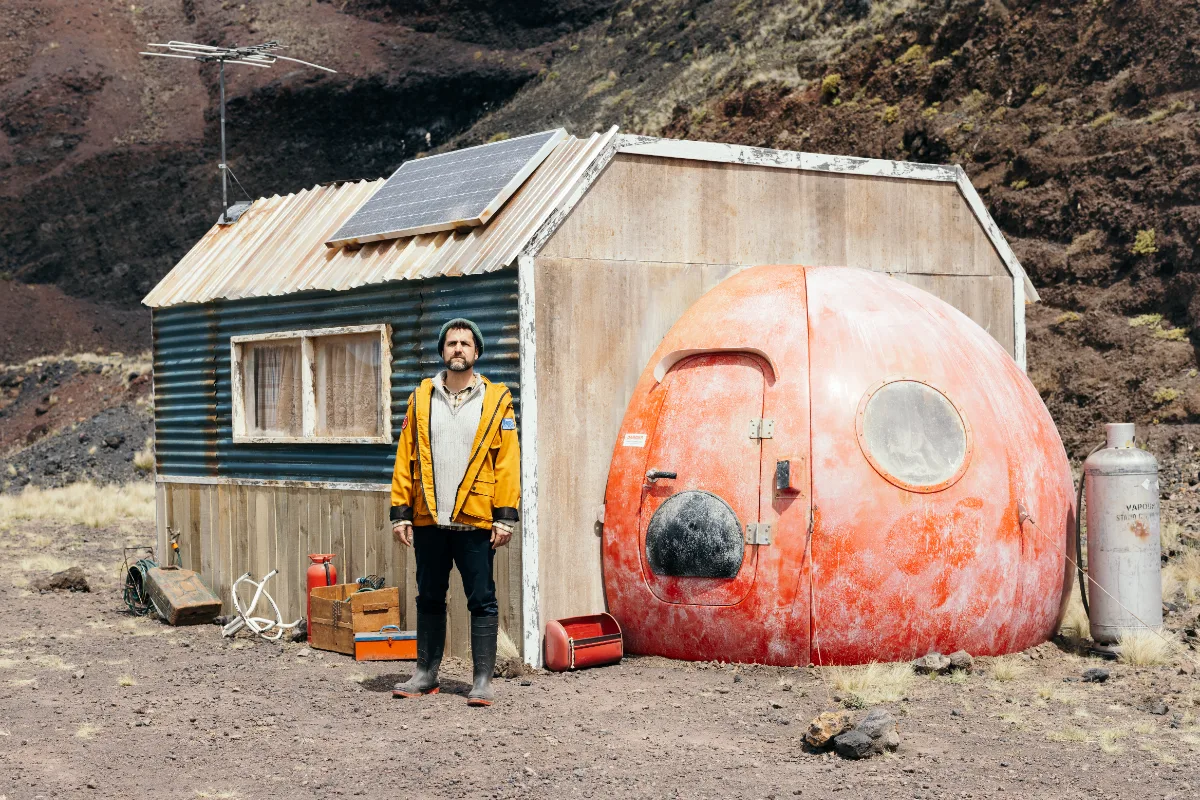
The premise is intriguing: a man wakes up on a deserted island with no memories, accompanied only by a woman who seems to know more than she lets on. So far, so good. The problem is that the film confuses atmosphere with lethargy. The long shots of misty landscapes, prolonged silences, and cryptic dialogues might work if there were a solid narrative behind them. But there isn’t. Yesterday Island gets lost in its own maze of cheap symbolism and predictable twists that hit with all the subtlety of an elephant in a china shop.
The director (or directors, because it seems like a committee of creatives with very different opinions was involved) tries to build a sense of emotional isolation, but all they achieve is isolating the audience from any interest in what’s happening on screen. The acting swings between inexpressive and over-the-top, as if the actors received contradictory instructions: "Be intense, but not too much; mysterious, but not so much that we don’t understand you." The result is a psychological drama without psychology, a thriller without tension, and a film that feels more like a stylistic exercise than a work with something to say.
Compared to other films in its genre, Yesterday Island is like if Memento and The Beach had an illegitimate child and abandoned it on a deserted island (ironically, like its protagonist). It’s not bad because it’s pretentious; it’s bad because it fails to deliver on any of its promises. It’s neither enigmatic, nor melancholic, nor even entertaining. At best, it’s an indie film experiment that got stuck halfway between art and boredom.
🎭 6:00 PM – The Red Mask: The Masterclass in Suspense That Reminded Us Why We Love Cinema
After the letdown of Yesterday Island, the Claqueta Ácida team arrived at the second screening of the day with the skepticism of someone who just bit into a lemon. But oh, what a surprise—The Red Mask (91 min.) didn’t just make up for it; it left us speechless and with our hearts in our throats. This film is proof that sometimes, genre cinema doesn’t need special effects or million-dollar budgets to be brilliant. It just needs intelligent direction, a tight script, and an oppressive atmosphere.
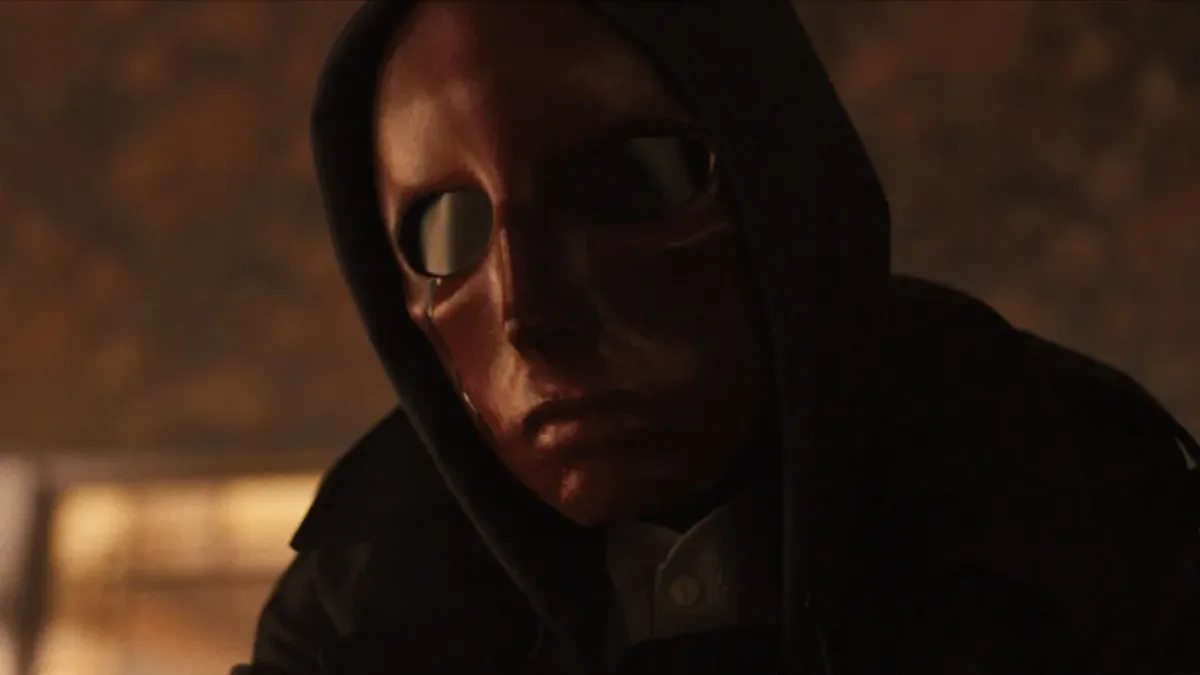
The Red Mask is a paranoia and suspense thriller that drinks from the classics of the genre: The Silence of the Lambs, Zodiac, and, above all, David Fincher’s Se7en. The plot follows a detective investigating a series of murders linked to a red mask that appears at every crime scene. What starts as a routine investigation turns into a nightmare of hidden identities, betrayals, and unexpected twists that keep the audience on the edge of their seats until the very last minute.
What stands out most about The Red Mask is its staging. The cinematography is dark, almost claustrophobic, with a color palette that oscillates between bloody reds and cold blues, creating a visual atmosphere that reinforces the constant sense of danger. The editing is flawless: the cuts are precise, the jump scares (when they happen) are well-dosed, and the silences are used as a weapon to build tension. The soundtrack, minimalist but effective, accompanies without stealing the spotlight—just as it should.
But where The Red Mask truly shines is in its script. The dialogue is sharp, the characters are well-constructed (especially the protagonist, an antihero with more shadows than light), and the plot twists are so well-integrated that when they arrive, you feel like you should’ve seen them coming—but you didn’t. It’s the kind of film that makes you feel smart for a moment, before reminding you that the screenwriter led you by the hand like a toddler.
Compared to other films in its genre, The Red Mask doesn’t reinvent the wheel, but it polishes it until it gleams. It’s not a cinematic masterpiece, but it’s an impeccable genre exercise, one that leaves you wanting more and makes you forget—at least for a while—that you just watched a film that looked like it was shot on a phone in a garage. If Yesterday Island was an ambitious failure, The Red Mask is a reminder that sometimes, less is more.
🎋 8:15 PM – IAI: The Japanese Poetry That Remained an Incomplete Haiku
After the high of The Red Mask, we moved to Broadway Cinemas to dive into IAI (90 min.), a Japanese production that, according to the festival program, promised "a poetic reflection on death and mourning." What we found was a film visually stunning but emotionally cold, like a perfectly tended Zen garden with no one to enjoy it.
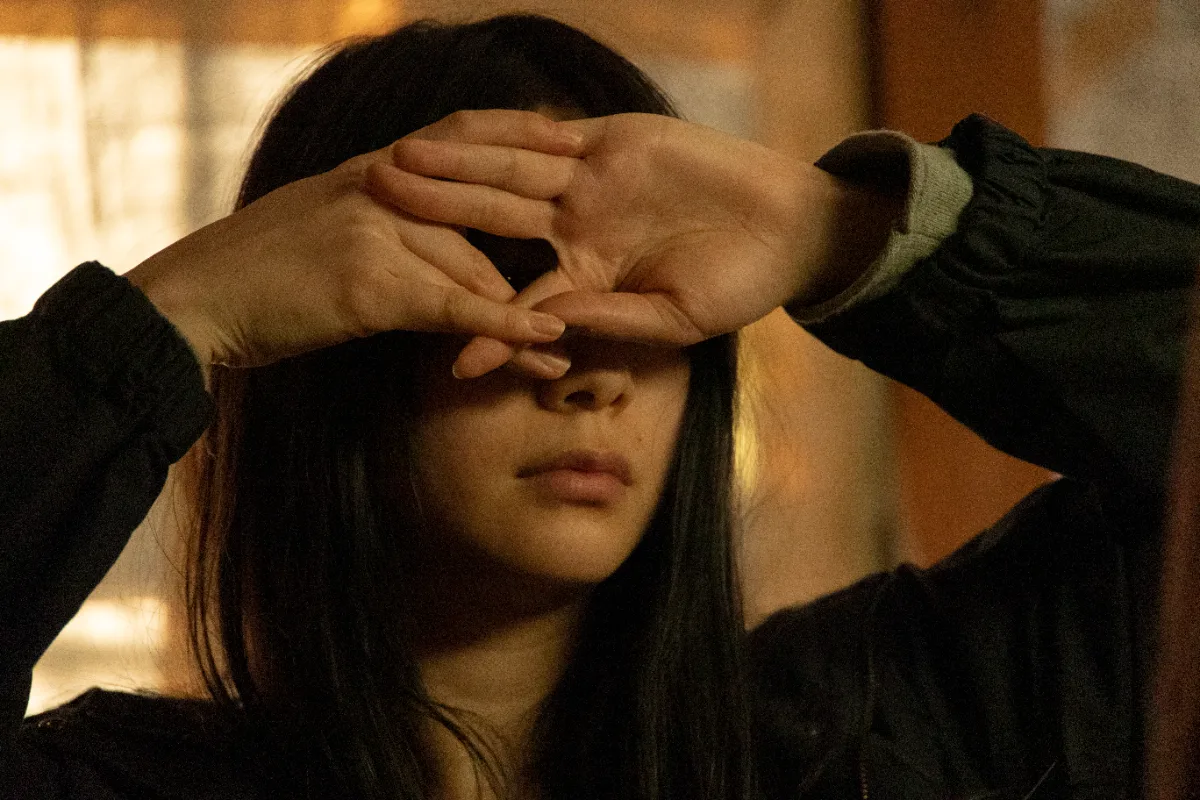
IAI is, above all, a visual experience. The cinematography is exquisite, with shots that look like moving paintings: mist entwining between trees, dim lights illuminating faces in shadow, compositions reminiscent of the cinema of Yasujirō Ozu or Naomi Kawase. The film avoids explicit horror to delve into psychological and supernatural terror, with an aesthetic that evokes Japanese folklore and kaidan ghosts. So far, so good. The problem is that behind all that beauty lies a narrative that moves at a snail’s pace and a script written like a riddle.
The plot follows a young woman who returns to her hometown after her grandmother’s death, only to discover that the ghosts of the past (both literal and metaphorical) still haunt her. The film explores themes like mourning, memory, and guilt, but it does so in such a cryptic way that, more than once, you wonder if you missed something or if the film simply has nothing to say. Dialogue is scarce and, when present, often so enigmatic it’s frustrating. The acting is restrained, almost hieratic, as if the performers were enacting a ritual rather than a scene.
In its attempt to be poetic and atmospheric, IAI falls into the trap of empty pretension. It’s not that the film is bad; it’s that it doesn’t connect. There are moments when it seems like it’s about to take off, to reveal something profound or exciting, but then it stays grounded, like a bird with broken wings. Compared to other Japanese films of its style, like Onibaba or Kwaidan, IAI is like a haiku that stops at the first verse: beautiful, but incomplete.
That said, it deserves one merit: it’s a film you watch. It’s not boring in the traditional sense (you don’t fall asleep, you don’t check the time every five minutes), but it’s not memorable either. It’s the kind of film that, when it ends, leaves you with a "What was that?" feeling, like when you try an exotic dish and don’t know if you liked it or not. A barely passing grade, but nothing more.
🍽️ 10:00 PM – Buffet Libre: The Feast of Madness That Left Us with Indigestion (and Craving More)
And then came Buffet Libre (120 min.), the film that closed the fifth day of PUFA 2026 with a cacophony of laughter, blood, and controlled chaos. If the previous three films were a lukewarm appetizer, a well-cooked main course, and a dessert that didn’t quite convince, Buffet Libre was the cinematic equivalent of a 3 AM junk food binge: excessive, unhealthy, but impossible to resist.
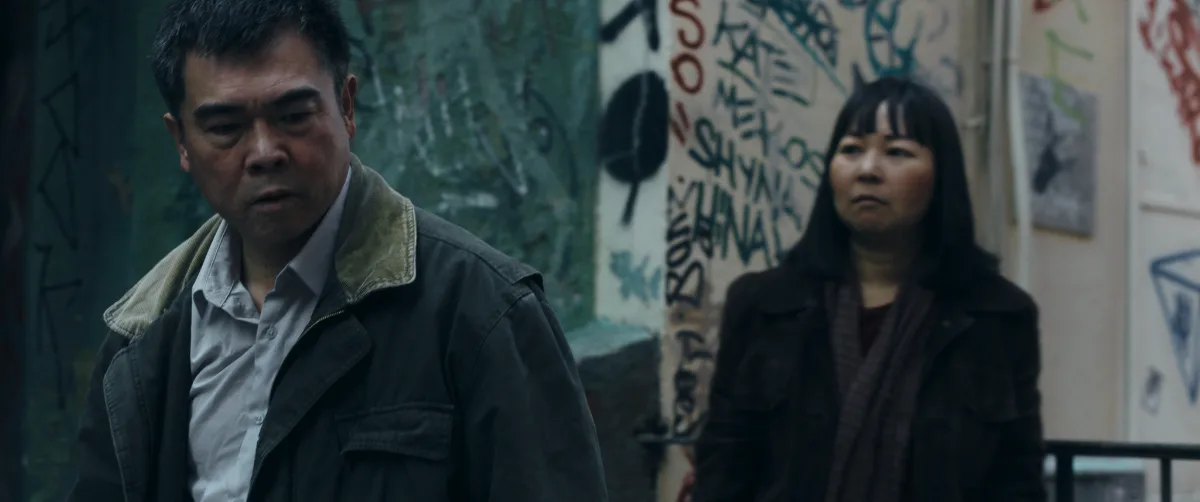
Buffet Libre is a black comedy horror that embraces the absurd with the same naturalness as a child hugging a drool-covered stuffed animal. The premise is as ridiculous as it is brilliant: in a high-end restaurant, diners discover that the menu includes more than Kobe beef and truffles. The meat is human, and the customers are the main course. What follows is a festival of violence, dark humor, and social critique that doesn’t let up for a second.
The film is wild, unmeasured, and politically incorrect, but in such an intelligent way that it’s impossible not to laugh (or at least crack a guilty smile). The script is a ferocious satire of capitalism, the obsession with gourmet food, and the hypocrisy of high society, but instead of lecturing, it chooses to exaggerate to the extreme. The characters are grotesque archetypes: the psychopathic chef, the snobby food critic, the insufferable influencer, the millionaire who thinks everything is for sale. All of them are cannon fodder (literally) in a macabre game where the only prize is survival.
The best thing about Buffet Libre is its pace. The film doesn’t give you a break: the jokes come at breakneck speed, the murders are creative and gory (but never gratuitous), and the plot twists are so absurd they force you to surrender and enjoy the show. The direction is dynamic, with snappy editing reminiscent of Quentin Tarantino or Robert Rodriguez, and the cinematography, though less polished than IAI, has a gritty, visceral style that fits perfectly with the film’s aesthetic.
But where Buffet Libre truly shines is in its tone. It’s not a film that takes itself seriously, and that’s its greatest virtue. At a time when horror and comedy often fall into self-satisfaction or cheap moralism, Buffet Libre doesn’t apologize for what it is: a feast of excess that spares no one. It’s as if Sweeney Todd and The Menu got drunk and decided to make a movie together, with results as hilarious as they are disturbing.
That said, it’s not a film for everyone. If you’re the type who gets offended by a cannibalism joke or bothered by a film without a deep message, Buffet Libre will hit you like a punch to the gut. But if you’re looking for pure, unfiltered fun, this is your film.
### The best
The Red Mask*: A textbook thriller that proves that sometimes, the classics are still the best. Pure tension, no tricks, no cheap effects. Buffet Libre*: The film that reminded us that cinema can also be a three-ring circus where the clown carries an axe.### The worst
Yesterday Island*: A psychological thriller without psychology, like a joke without a punchline: it doesn’t hook, it doesn’t move, it doesn’t even entertain. IAI*: A film so beautiful it hurts, but so empty it leaves you feeling like you’ve seen a painting instead of a story.### The Verdict of Claqueta Ácida (0/10 for Yesterday Island, but the rest deserve their place in the hell of cult cinema)
The fifth day of PUFA 2026 has been a rollercoaster ride without a seatbelt: from the abyss of Yesterday Island (a film that deserves a 0/10 for sheer disappointment) to the heights of The Red Mask and Buffet Libre, two films that, each in their own way, reminded us why we keep going to the movies. IAI got stuck in no man’s land, a poetic experiment that never found its voice, but at least it had the decency not to bore us to tears.
At the end of the day, what remains is the feeling that cinema, in all its forms, is still alive. Even when it’s bad (or especially when it is), it has the power to provoke, move, and, above all, make us talk about it. And that, dear readers, is all that matters. See you in the theaters, where the next disaster (or the next masterpiece) awaits.
📸 Galería de imágenes


💬 El Veredicto de la Comunidad
¿Qué te ha parecido la película? Deja tu nota de 0 a 10 para contrastarla con el análisis de la redacción.
Aún no has votado
📢 ¿Te ha gustado el ácido?
Comparte esta crítica con tus amigos cinéfilos o desata la polémica en redes.
📩 📩 Get the poison in your inbox
Join our weekly mailing list. Honest film reviews, acid festival coverage, and cult recommendations every Sunday morning. Zero spam, pure celluloid.
🔒 We promise weekly poisonous reviews and exclusive coverage.Related Reviews
Recommended autopsies for demanding film buffs.
 ⚠️ Ácido Sulfúrico0.0
**PUFA 2026: "Bad Haircut" Wins the Festival—and Its Barber Gives Us a One-Way Ticket to Nuremberg (The Definitive Palmares, or How to Learn to Love the Absurd)**
*"Bad Haircut" takes home Best Film at the third edition of the Valladolid International Fantastic and Horror Film Festival, while the jury and critics remain deeply divided over the film’s quality.*
 ⚠️ Ácido Sulfúrico0.0
**PUFA 2026 – Day 7: A Night of Terror and Madness (Or: How I Learned to Stop Worrying and Love the Trainwreck)**
A recap of the festival’s second day, featuring *Horror and Love*, *Quantum Rave*, *Pinocchio Unstrung*, and *Frankie, Maniac Woman*—a night packed with terror, madness, and enough emotional whiplash to make a rollercoaster jealous.
 ⚠️ Ácido Sulfúrico0.0
**PUFA 2026 - Day 6: Psychological Horror and Castilian Legends (or How the Festival Proved Genre Cinema Can Be as Unbearable as an Influencer at a Funeral)**
The sixth day of the **Valladolid International Fantasy and Horror Film Festival (PUFA)** offered a mix of premieres and screenings, including *Lenore*, *The Waiting Man*, and *Janur Ireng*, exploring psychological horror, black magic, and artificial intelligence.