The Descent — When Hell Wears the Shape of a Cave (and a Trauma)
Neil Marshall drags us into a pit of claustrophobia, blood, and monsters that look like amateurs next to human horror. Pure, uncut claustrophobia.

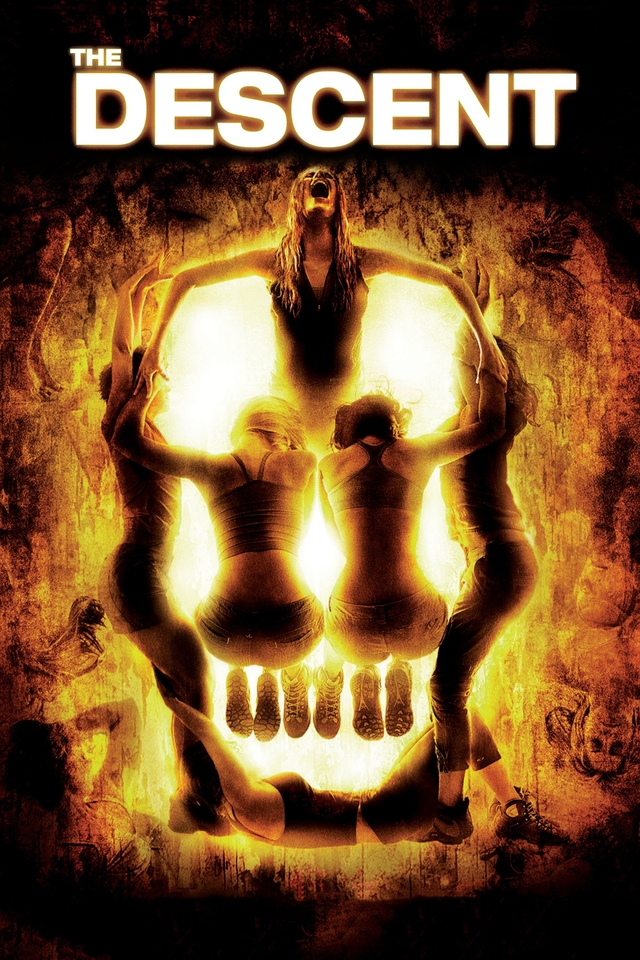
Horror cinema had spiraled into a pit of self-indulgence by the early 2000s, drowning in textbook jump scares and shrieking teens tripping over their own feet while fleeing latex-masked killers with backstories cobbled together from a psychology pamphlet. Neil Marshall, a British director with more guts than budget, decided it was high time to remind the world that real horror doesn’t need digital effects or villains with half-baked Freudian motivations. The Descent arrived like a throat punch to the genre, a film that understood the darkest terror isn’t lurking in the corners of a haunted house—it’s the rot we carry inside, the kind that festers when silence becomes unbearable and walls close in like a stone coffin. Marshall, who had already proven his mastery of visceral terror with Dog Soldiers (2002), wasn’t out to reinvent the wheel. He just wanted to remind us that sometimes, the wheel can become a death trap if you’re stuck in a maze with no exit. And damn, did he succeed: The Descent isn’t just one of the best horror films of the decade—it’s a clinical study of trauma, guilt, and survival, wrapped in a package of sweat, blood, and screams that echo like ghosts in an endless cavern.
The project slithered out of Marshall’s brain as a middle finger to the slasher remakes and ‘80s rehashes clogging up theaters. He wanted something raw, real, something that’d make audiences break out in a cold sweat just thinking about it. And what better setting than a cave, where light dies a few meters in and every step could be your last? Celador Films and Northmen Productions took a gamble on him, albeit with some hesitation: the budget was tight, the shoot claustrophobic (literally, in studios simulating caves with plaster walls and artificial humidity), and the all-female cast was a risky bet in a genre dominated by male heroes and female victims whose sole purpose was to scream and die. But Marshall wasn’t interested in clichés. He wanted to explore the dynamics of a group of friends bound by grief, loss, and secrets heavier than the rocks crushing them. And holy hell, did he deliver: The Descent isn’t just a monster movie—it’s a shattered mirror, each shard reflecting a warped version of friendship, betrayal, and madness.
The shoot was hell incarnate. The actresses, led by Shauna Macdonald, spent weeks in sets simulating cramped, damp, pitch-black caves, with temperatures oscillating between uncomfortable and unbearable. There was no room for stunt doubles: if a scene required crawling through a tight tunnel or scrambling over jagged rocks, they had to do it themselves. The result is a physical authenticity few horror films have achieved. Every scrape, every bead of sweat, every ragged breath is real, and it shows. Sam McCurdy’s camera moves like another predator, stalking the women with tight close-ups that steal your breath and framing that turns every shadow into a threat. The lighting, limited to flashlights and flares, doesn’t just build tension—it reminds you that in the dark, even the air can turn against you. And then there are the crawlers, those pale, blind creatures that seem plucked from a fever dream of H.R. Giger’s. Designed on a shoestring budget but with boundless imagination, they’re the perfect reminder that real terror doesn’t need millions in CGI—just a terrifying idea and the balls to see it through.
But the scariest thing about The Descent isn’t the monsters—it’s what happens between the women. Sarah, played by Macdonald with an intensity that borders on unbearable, is the film’s bleeding heart. Her grief over losing her husband and daughter isn’t just a plot device—it’s an open wound, oozing in every scene. Her mental collapse isn’t some cheap narrative twist; it’s the logical conclusion of a trauma that haunts her like a specter. The others aren’t mere sidekicks: Juno (Natalie Mendoza) is the charismatic but selfish leader, Beth (Alex Reid) the voice of reason cracking under pressure, and Holly (MyAnna Buring) the adrenaline junkie willing to risk everything for a thrill. Their dynamic is so real it hurts, because there are no villains or heroes—just broken women trying to survive a world that’s collapsed around them. And when the crawlers show up, they’re nothing more than a distorted reflection of their own fears: creatures that feed on darkness, just like them.
Direction: The Art of Suffocating the Audience
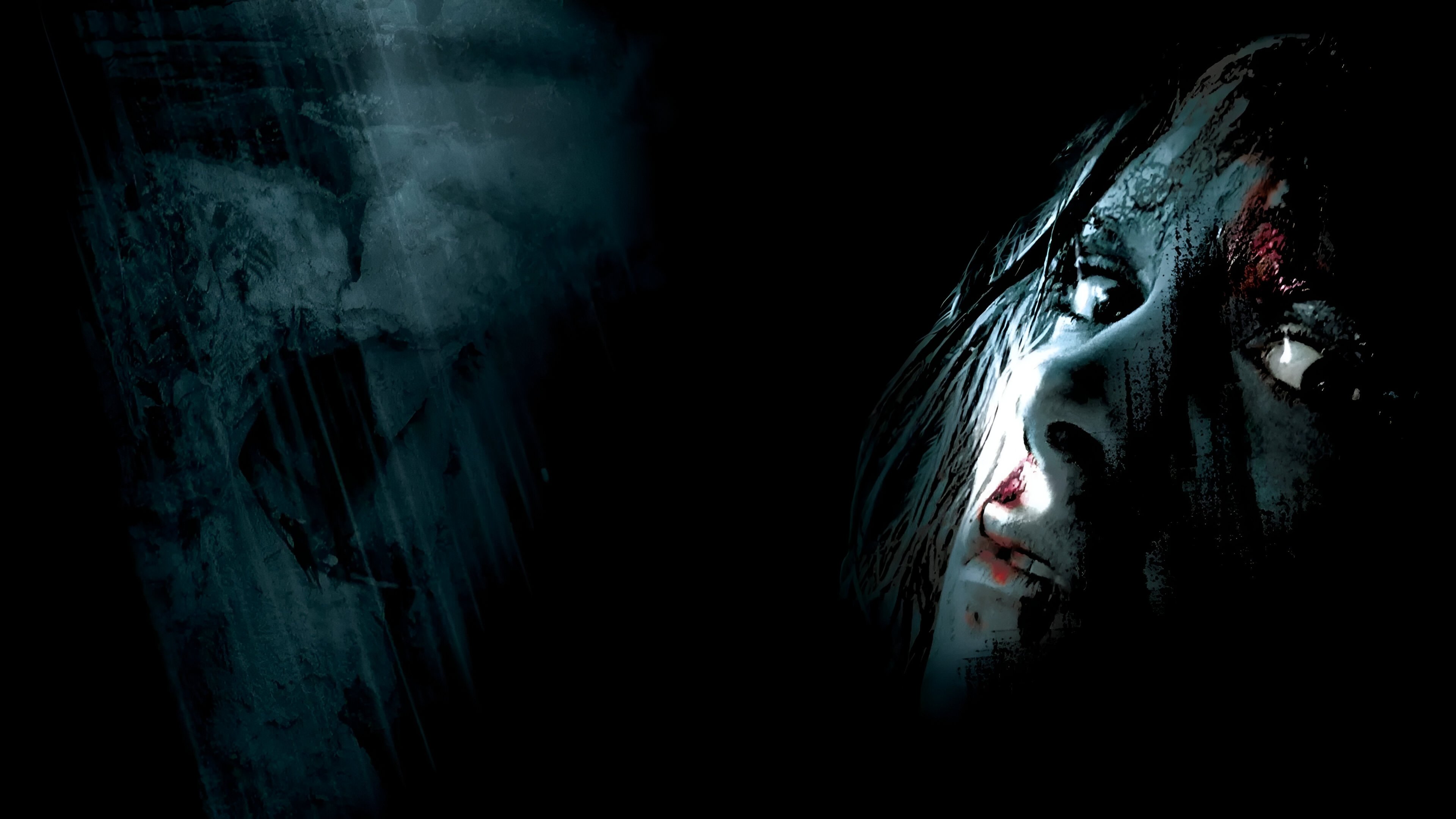
Neil Marshall doesn’t direct The Descent—he strangles it. From the first frame, where we see Sarah smiling in a river before tragedy hits like a freight train, the director sets the rules: this isn’t going to be a conventional horror flick. It’s a sensory experience designed to leave you gasping for air. Marshall understands that terror isn’t built on cheap scares—it’s built on atmosphere. And in The Descent, the atmosphere is so thick you could slice it with a knife. Every scene in the cave is shot with deliberate claustrophobia: the frames are tight, the camera moves like it’s trapped alongside the women, and the sound—or lack of it—becomes another character. Silence is just as important as screams, because in the dark, even the crunch of a rock can be a death sentence.
But where Marshall truly shines is in his pacing. The Descent isn’t in a rush to get anywhere because it knows tension is built with patience. The first few minutes in the cave are almost documentary-like: we watch the women exploring, laughing, enjoying the adventure. But gradually, the camera becomes more invasive, the shots tighter, and the ambient sound fills with distorted echoes. When the cave-in traps them, there’s no cheap jump scare—just a moment of absolute silence, followed by Sarah’s choked scream. That’s when Marshall reminds us that real terror isn’t in what you see—it’s in what you imagine. And what we imagine in The Descent is far worse than any monster.
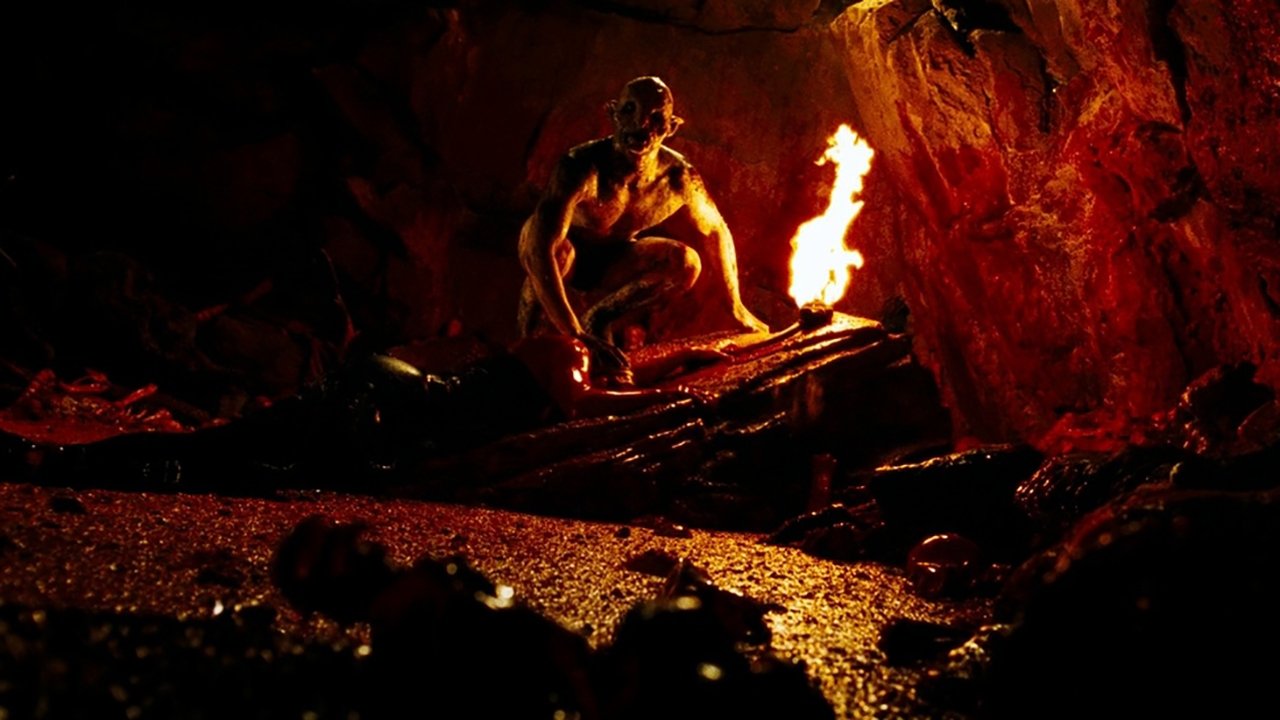
The crawlers are the cherry on this nightmare sundae. Marshall introduces them with such economy that they’re even more terrifying: first as shadows, then as guttural sounds, and finally, when we see them in full, as creatures designed to horrify. They’re not zombies, vampires, or masked killers. They’re something worse: predators evolved to live in the dark, with heightened senses and a bloodlust that makes them the perfect embodiment of fear of the unknown. Marshall films them with almost reverential respect, as if he knows their mere presence is enough to freeze your blood. And it is.
Performances: Pain in Its Purest Form
The cast of The Descent is one of those miracles that happens when a director knows how to squeeze the best out of his actors. There are no Hollywood stars here—just a group of British actresses willing to get dirty, sweat, and scream like their lives depend on it. And in a way, they did: the shoot was so physically demanding that the actresses were exhausted by the end of each day. But that fatigue translates onscreen into performances that are pure adrenaline and agony.
Shauna Macdonald is the absolute standout. Her Sarah isn’t a passive victim—she’s a woman shattered by grief, fighting to stay sane in a world crumbling around her. Macdonald doesn’t act trauma—she lives it. Every scream, every tear, every moment of clarity followed by emotional collapse is so real it hurts. There’s one scene in particular—when Sarah finds a friend’s corpse and her reaction is a howl of pain so visceral it feels torn from her guts—that encapsulates why this film is so special. It’s not just horror; it’s a study of grief and guilt, and Macdonald carries it with an intensity few actors could match.
But the rest of the cast isn’t far behind. Natalie Mendoza as Juno is a force of nature: charismatic, dominant, but with a hidden darkness that explodes in the most unexpected moments. Alex Reid as Beth brings a heartbreaking humanity, especially in her scenes with Sarah, where shared pain becomes a physical bond. And MyAnna Buring as Holly is the spark of energy the group needs, even if her impulsiveness leads to her downfall. Even the supporting actresses, like Saskia Mulder and Nora-Jane Noone, have moments that shine, particularly in the group scenes where the dynamic between them feels so real it’s like we’re eavesdropping on a private conversation.
The most impressive thing is that, despite the physical demands of the shoot, the performances never veer into histrionics. There’s no overacting, no exaggerated gestures. Every reaction, every scream, every terrified glance is restrained, real, as if the actresses know that in a cave, the slightest noise could be a death sentence. And that’s what makes The Descent so terrifying: it’s not a monster movie—it’s a film about real women facing their worst nightmares.
Technical Aspects: Nightmare as Art
If there’s one thing that elevates The Descent above most horror films of its era, it’s the technical craftsmanship, designed to immerse the audience in an inescapable nightmare. Sam McCurdy, the cinematographer, deserves a monument for his work. The lighting is minimalist but effective: flashlights casting trembling circles of light, flares illuminating gaunt faces, and shadows moving like they’re alive. McCurdy doesn’t just light the cave—he turns it into another character, a labyrinth of darkness where every corner hides danger. The shots are tight, almost suffocating, and the camera moves with a fluidity that makes you feel trapped alongside the women. There’s no escape, not for them, not for us.
The sound design is another standout. Jon Hirst and his team created a soundscape that’s pure tension: dripping water, crunching rocks, distorted echoes of voices that are no longer there. And then there are the crawlers—guttural growls, snapping jaws, the sound of claws scraping against stone. There’s no orchestral score to warn you of a scare, because in the cave, silence is terror’s best ally. When music does appear, it’s sparse and purposeful: a chorus of female voices sounding like an ancestral lament, or an electronic hum that raises the hairs on your neck.
The production design, helmed by Simon Bowles, is a masterclass in grimy realism. The caves aren’t cardboard sets—they’re labyrinths of rock and mud, with walls that seem to breathe and tunnels that narrow to unbearable tightness. Every detail, from the caving gear to the crawlers’ corpses, is designed to feel real, like we’ve stepped into a subterranean hell with no way out. And then there’s the monster design, courtesy of Paul Hyett. The crawlers are pale, almost albino creatures with skeletal bodies and claws like blades. They’re not human, but they’re not entirely animal either—they have a predatory intelligence that makes them even more terrifying. And the best part? We don’t see them too much. Marshall understands that terror lives in what’s unseen, so the crawlers are shadows moving in the dark, figures barely glimpsed until it’s too late.
The script, written by Marshall himself, is a lesson in building tension without relying on unnecessary dialogue. The women don’t talk just to fill space: every word carries weight, every silence is a ticking time bomb. Sarah’s flashbacks aren’t filler—they’re key to understanding her trauma, and the plot twists, though predictable at times, are executed with a cold precision that makes them effective. Even the ending, which has sparked debate among fans, has a twisted logic that fits the film’s tone. It’s not a happy ending, nor is it satisfying—but it’s the only possible conclusion for a story about pain and guilt.
The best
Neil Marshall’s direction: A masterclass in building tension without cheap jump scares*. Marshall doesn’t direct a film—he engineers a claustrophobic experience that leaves you breathless.- Shauna Macdonald’s performance: Sarah is one of the most complex and devastating characters in modern horror. Macdonald doesn’t act—she bleeds onscreen.
- Sam McCurdy’s cinematography: The cave isn’t just a setting—it’s another character, and McCurdy lights it like hell itself.
- The crawler design: Terrifying creatures that don’t need CGI to freeze your blood. Less is more, and in this case, less is absolutely petrifying.
- The sound design: A masterpiece of tension. Every crunch, every echo, every growl raises the hairs on your neck.
The worst
- Some predictable plot twists: While well-executed, certain moments in the script are easy to see coming, which dulls the impact in the second half.
- The alternate ending (U.S. version): The original is perfect in its brutality, but the U.S. cut’s alternate ending is an unnecessary attempt to soften the blow.
- Underdeveloped side characters: While the cast is excellent, some protagonists like Saskia Mulder and Nora-Jane Noone get less focus than they deserve.
- CGI in a few shots: Though the monster design is stellar, a couple of CGI shots haven’t aged well and break immersion.
The Verdict of Claqueta Ácida
The Descent isn’t just one of the best horror films of the 2000s—it’s a genre masterpiece that transcends its own limitations to become a study of pain, guilt, and survival. Neil Marshall doesn’t gift us a happy ending because life doesn’t hand those out, and that rawness is where its greatness lies. The performances are brutal, the direction flawless, and the crawlers are the kind of monsters that haunt your retinas like a bad dream. But the most terrifying thing isn’t the creatures—it’s the reminder that sometimes, the real hell isn’t underground. It’s inside us. And that, dear readers, is something no flashlight can illuminate. Final score: 8.7/10, with the warning that this film isn’t watched—it’s endured. 💀
🎬 Tráiler Oficial
💬 El Veredicto de la Comunidad
¿Qué te ha parecido la película? Deja tu nota de 0 a 10 para contrastarla con el análisis de la redacción.
Aún no has votado
📢 ¿Te ha gustado el ácido?
Comparte esta crítica con tus amigos cinéfilos o desata la polémica en redes.
📩 📩 Get the poison in your inbox
Join our weekly mailing list. Honest film reviews, acid festival coverage, and cult recommendations every Sunday morning. Zero spam, pure celluloid.
🔒 We promise weekly poisonous reviews and exclusive coverage.Related Reviews
Recommended autopsies for demanding film buffs.
 🔥 Fusión Nuclear8.5
The Descent: When Hell Wears the Shape of a Cave (and a Trauma)
Neil Marshall drags us into a pit of claustrophobia, blood, and monsters that look like amateurs next to human horror. Pure, uncut claustrophobia.
 🔥 Fusión Nuclear8.2
The Boarding School: A Dormitory of Dread
The Boarding School (1969), a film that revives terror within the walls of a girls' boarding school—where repression and sadism dance a waltz in crinoline
 🔥 Fusión Nuclear9.0
The Texas Chain Saw Massacre: The Bloody Dawn of Modern Terror (Or How Tobe Hooper Gifted Us Nightmares with a Chainsaw and Zero Budget)
Tobe Hooper turned $140,000 and an abandoned slaughterhouse into hell on Earth. Claqueta Ácida dissects this horror classic with a chainsaw, pitch-black humor, and a devotion to bloodstained celluloid.